




Last Updated: May 2026
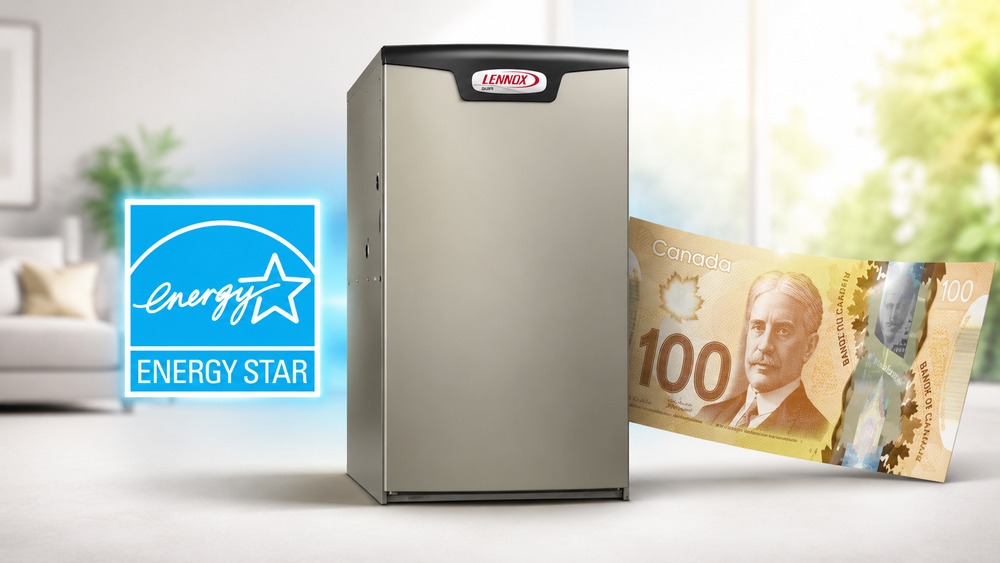
Quick Answer A seasonal HVAC maintenance plan in the Greater Toronto Area typically costs between $150 and $300 per year. This preventative service helps avoid costly emergency repairs, which can range from $300 for a simple fix to over $2,000 for a compressor replacement. Regular maintenance ensures your system runs efficiently and meets the warranty requirements of manufacturers like Lennox.
Seasonal HVAC maintenance for your Ontario home involves specific tasks for spring, summer, autumn, and winter to ensure efficiency and longevity. Following a checklist prevents unexpected breakdowns and maintains healthy indoor air quality, protecting your investment in systems from brands like Lennox. This guide provides a comprehensive, season-by-season breakdown of essential tasks for homeowners in the GTA, from simple DIY checks to knowing when to call a professional.
Proper upkeep is not just about comfort; it is a financial necessity. A well-maintained system consumes less energy, is less prone to failure, and lasts years longer. With government programs like the Canada Greener Homes Grant offering up to $5,000 for qualifying heat pump installations and manufacturer rebates providing further savings, keeping your equipment in top condition is more important than ever. This checklist will help you manage your home’s heating and cooling systems effectively throughout the year.
Spring HVAC Maintenance Checklist: Preparing for Warmer Weather
As the snow melts and temperatures rise across Ontario, your focus should shift from heating to cooling. Spring is the critical time to prepare your air conditioner for the demands of summer. Neglecting these steps can lead to poor performance, higher energy bills, and even a complete system failure during the first heatwave. A thorough spring tune-up ensures your AC is ready to perform efficiently and reliably.
DIY Spring Tasks:
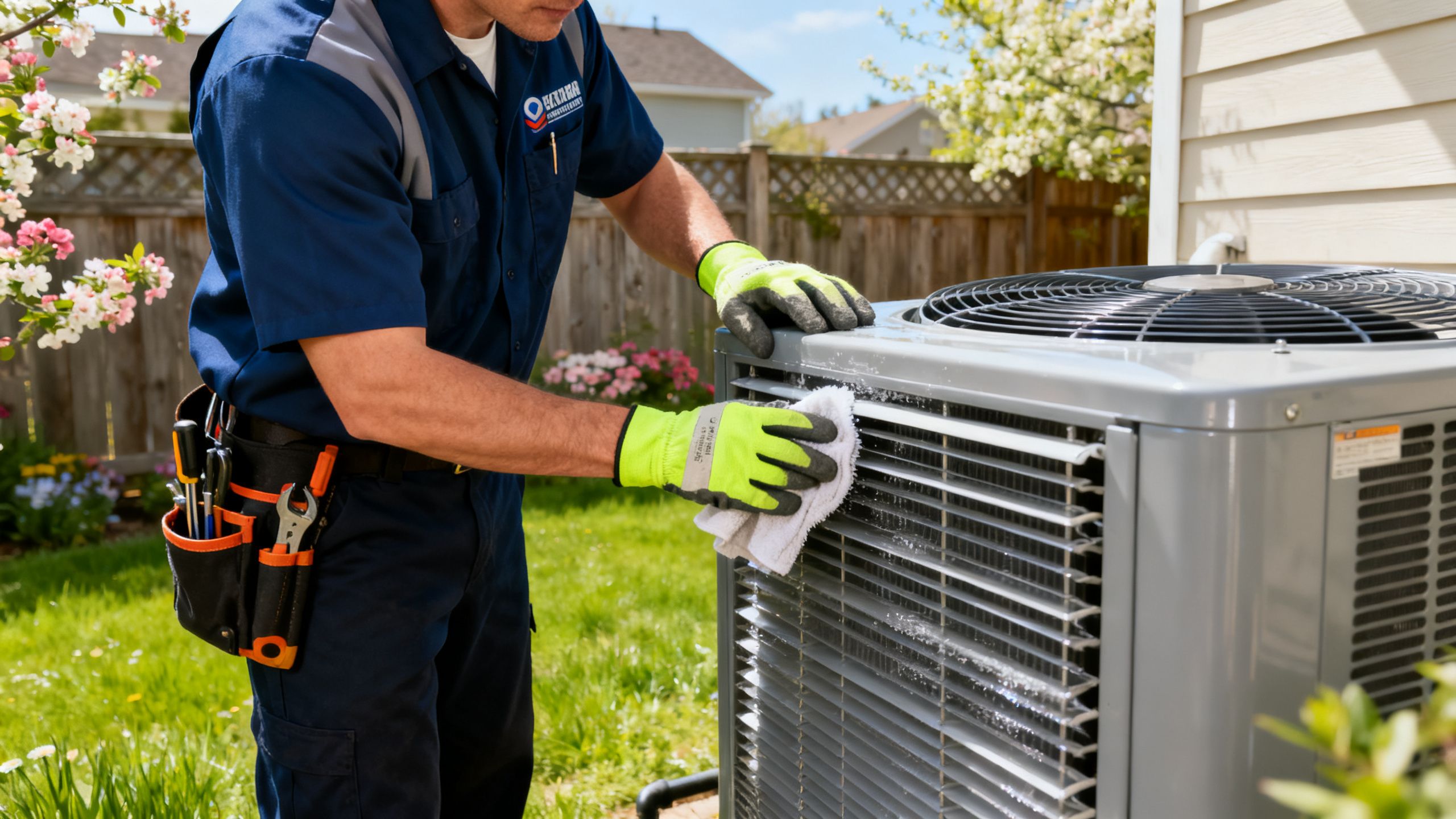
- Clean the Outdoor Unit (Condenser): Gently hose down the exterior of your outdoor AC unit to remove dirt, leaves, and other debris that have accumulated over the winter. Ensure the unit is turned off at the breaker before cleaning. Clear a two-foot perimeter around the unit to ensure proper airflow.
- Change the Furnace Filter: Your HVAC system uses the same filter for both heating and cooling. Start the season with a fresh, clean filter to improve airflow and indoor air quality. Check the filter monthly throughout the cooling season.
- Test the Air Conditioner: On a mild day (above 15°C), turn on your AC for 15-20 minutes. Check that cool air is coming from the vents and listen for any unusual noises. This simple test can reveal problems before you urgently need cooling.
- Inspect aysate Drain Line: Check the indoor unit’s condensate drain line for any visible clogs or blockages. A blocked line can cause water damage inside your home.
When to Call a Professional:
While DIY tasks are important, a professional tune-up is essential for the health of your AC system. As a certified Lennox Premier Dealer, our technicians perform a detailed inspection that goes beyond basic cleaning. A professional spring service call, typically taking 60-90 minutes, should include:
- Refrigerant Level Check: An technician will check for the correct refrigerant charge. Too little or too much can reduce efficiency and damage the compressor.
- Electrical Component Inspection: All capacitors, relays, and wiring are tested to prevent electrical failure.
- Coil Cleaning: The indoor evaporator and outdoor condenser coils are professionally cleaned to ensure maximum heat transfer.
- System Calibration: The thermostat is checked for accuracy, and the system is calibrated to meet manufacturer specifications.
Scheduling this service in April or May ensures you are prepared for summer and can help you secure a convenient appointment time. For homeowners across the GTA, from Bolton to Markham, professional service is a key part of responsible homeownership. Direct Air Systems provides expert HVAC installation and service across the Greater Toronto Area.
Summer HVAC Maintenance: Maximizing Efficiency
During the hot and humid Ontario summers, your air conditioner works its hardest. The goal of summer maintenance is to maintain the efficiency you established with your spring tune-up and to spot any developing issues before they become major problems. Consistent, simple checks can significantly reduce your energy consumption and keep your home comfortable.
Key Summer Tasks:
- Monthly Filter Checks: This is the single most important summer maintenance task. A clogged filter restricts airflow, forcing the system to work harder and increasing energy use by up to 15%. Check your filter monthly and replace it when dirty.
- Keep the Outdoor Unit Clear: Throughout the summer, ensure that grass clippings, weeds, and shrubs are not blocking your outdoor condenser. Maintaining that two-foot clearance is crucial for the system to dissipate heat effectively.
- Monitor Your Thermostat: Use a programmable or smart thermostat to set higher temperatures when you are away from home. According to Natural Resources Canada, you can save up to 10% on cooling costs by adjusting your thermostat by a few degrees for eight hours a day.
- Check for Water Leaks: Periodically inspect the area around your indoor furnace/air handler for any signs of water. Leaks can indicate a clogged condensate line or a more serious issue.
If you notice reduced cooling, strange noises, or a sudden spike in your electricity bill, it is time to call for a repair. An emergency service call can cost upwards of $300-$500, whereas many issues can be caught during a routine maintenance visit for a fraction of the cost.

Autumn HVAC Maintenance Checklist: Preparing for Winter
As summer fades, it is time to prepare your HVAC system for the heating season. Autumn maintenance involves safely shutting down your air conditioner and thoroughly inspecting your furnace to ensure it is ready for the cold months ahead. A reliable furnace is a necessity in the GTA, and proper preparation is key to a safe and warm winter.
DIY Autumn Tasks:
- Cover the Outdoor AC Unit: After the last hot day, turn off the power to your AC unit and cover the top with a purpose-built AC cover or a piece of plywood. This prevents ice, snow, and debris from damaging the unit during winter. Do not wrap the entire unit in a tarp, as this can trap moisture and lead to corrosion.
- Test Your Furnace: Just as you tested your AC in the spring, turn on your furnace for a short cycle before you need it. Set the thermostat to ‘heat’ and ensure warm air is flowing. Note any unusual smells, which are common for the first run but should dissipate quickly.
- Check Carbon Monoxide Detectors: Test all CO detectors in your home and replace the batteries. This is a critical safety step for any home with a fuel-burning appliance like a gas furnace.
- Clean Vents and Registers: Vacuum all supply and return air vents to ensure unobstructed airflow throughout your home.
Professional Furnace Inspection:
A professional furnace tune-up is arguably the most important maintenance you can have performed. It is a crucial safety and performance measure. A qualified technician will inspect the heat exchanger for cracks, which can leak carbon monoxide into your home. This inspection is vital for any furnace over 10 years old.
A professional tune-up from a company like Direct Air Systems includes:
- Heat Exchanger Inspection: A visual and sometimes camera-based inspection for cracks or corrosion.
- Burner and Flame Sensor Cleaning: Ensures clean combustion and reliable ignition.
- Gas Pressure Adjustment: Verifies the furnace is operating at the correct pressure for safety and efficiency.
- Blower Motor Cleaning and Lubrication: Ensures the fan that circulates air is working properly.
Modern ENERGY STAR certified furnaces can have an Annual Fuel Utilization Efficiency (AFUE) rating of 95% or higher, meaning they convert 95% of fuel into heat. A well-maintained older furnace (80% AFUE) can be kept running efficiently, but a tune-up will also help you decide when it is time to upgrade to a high-efficiency Lennox model. While your furnace is the primary heat source, many homeowners in the GTA supplement with high-efficiency gas fireplaces. Our 2026 GTA Buyer’s Guide & Costs for Napoleon fireplaces explores these popular options.
Winter HVAC Maintenance: Ensuring Reliability and Safety
During an Ontario winter, your furnace is the heart of your home. Maintenance during this season is focused on ensuring it runs reliably, efficiently, and safely day in and day out. The tasks are simple but can prevent a no-heat emergency on the coldest night of the year.
Ongoing Winter Tasks:
- Continue Monthly Filter Changes: Heating season puts a heavy load on your system. Dirty filters are a leading cause of furnace breakdowns. Keep a supply of filters on hand and change them monthly.
- Keep Vents Unobstructed: Ensure furniture, rugs, and holiday decorations are not blocking any air vents. Proper airflow is essential for both comfort and system efficiency.
- Monitor for Unusual Noises: Banging, scraping, or high-pitched squealing are signs of a problem. Do not ignore them. Turn the system off and call a professional.
- Check Your Humidifier: If you have a whole-home humidifier, ensure it is operating correctly and the water panel (or pad) is clean. Proper humidity levels (30-45%) improve comfort and can make your home feel warmer at lower temperatures.
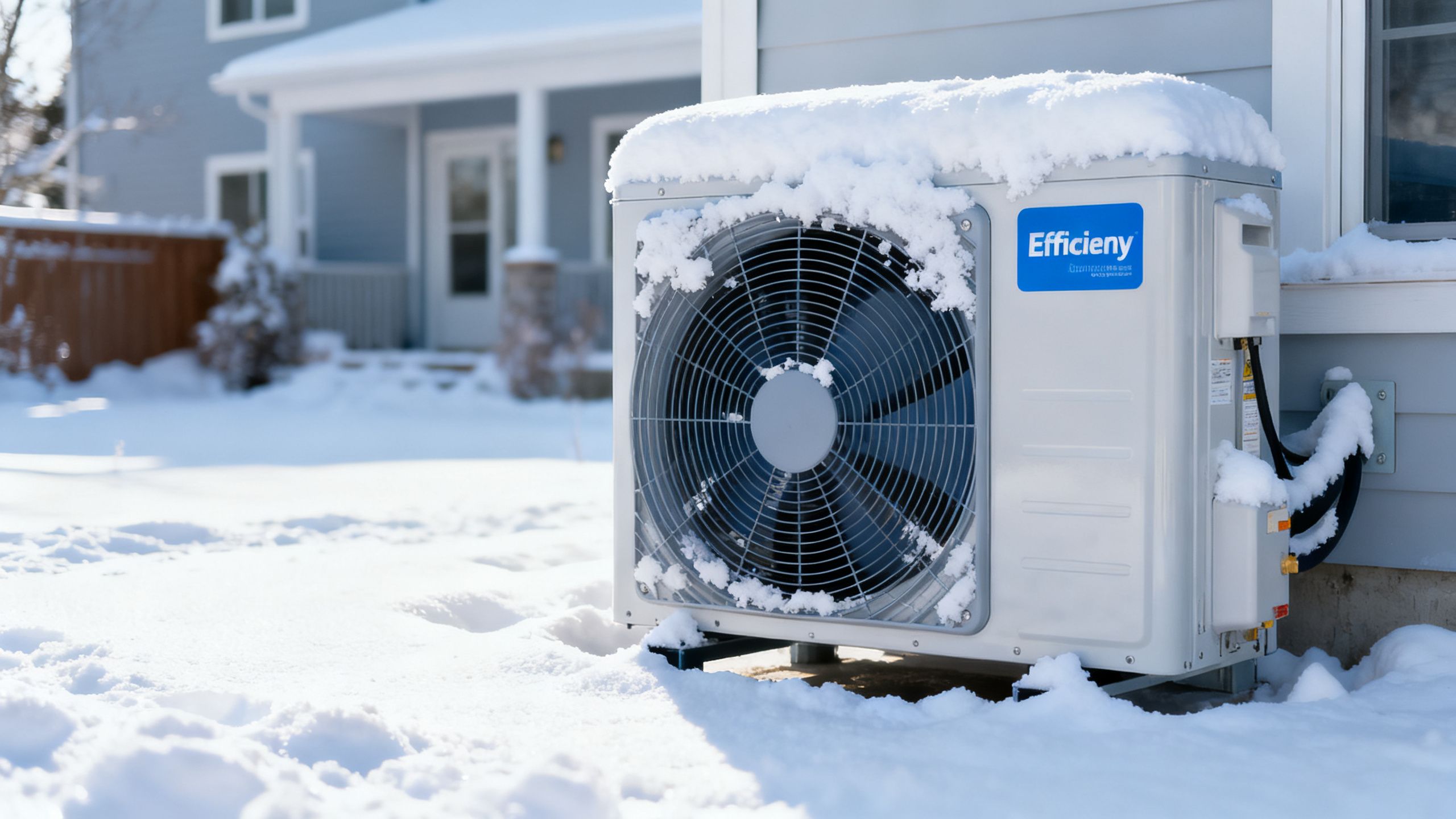
- Keep Exhaust Vents Clear of Snow: High-efficiency furnaces have plastic pipes for intake and exhaust on the side of the house. Ensure these are never blocked by snow or ice, as this will cause the furnace to shut down.
Winter is also the time to be aware of potential upgrade incentives. Programs like the Canada Greener Homes Grant provide up to $5,000 for the installation of qualifying cold-climate air source heat pumps. Additionally, manufacturers like Lennox often offer seasonal rebates of up to $1,800 on new high-efficiency systems. As a Lennox Premier Dealer, the team at Direct Air Systems can help you navigate these programs. While a central system is essential, some homeowners in luxury properties also invest in aesthetic heating solutions; you can learn more about the costs of high-end DaVinci fireplaces in the GTA to understand the full spectrum of home comfort options.
Professional vs. DIY Maintenance: A Clear Comparison
Understanding which HVAC maintenance tasks you can handle yourself and which require a certified technician is key to managing your system effectively. While DIY efforts are crucial for day-to-day efficiency, professional service addresses the safety, complexity, and warranty aspects of your equipment.
| Task | DIY Friendly? | Why it’s Important | Professional Recommended? | Why Call a Pro |
|---|---|---|---|---|
| Changing Air Filters | Yes | Improves airflow, air quality, and efficiency. | No | A simple and essential homeowner task. |
| Cleaning Vents/Registers | Yes | Ensures air is distributed evenly in the home. | No | Basic housekeeping that improves performance. |
| Cleaning Outdoor Unit | Yes | Maintains proper airflow and heat exchange. | Yes (for deep cleaning) | Pros can safely clean interior coils and fins. |
| Testing the System | Yes | Catches obvious problems before the season starts. | Yes (for diagnostics) | Pros can interpret system readings and diagnose issues. |
| Inspecting Refrigerant Levels | No | Incorrect levels damage the compressor. | Yes (Required) | Handling refrigerant requires certification and special tools. |
| Cleaning Blower/Burners | No | Risk of damaging components or causing a gas leak. | Yes (Required) | Involves complex, sensitive, and high-voltage parts. |
| Inspecting Heat Exchanger | No | A cracked heat exchanger can leak carbon monoxide. | Yes (Required) | This is a critical safety inspection requiring expertise. |
| Checking Electrical Parts | No | High risk of electric shock and damaging the system. | Yes (Required) | Technicians are trained to safely handle capacitors and wiring. |
Attempting to perform professional-level tasks without training can be dangerous and may void your manufacturer’s warranty. Companies like Lennox require proof of annual maintenance by a qualified technician for their warranty coverage to remain valid. Investing in a professional maintenance plan is an investment in the safety and longevity of your system. For service anywhere in York Region or the surrounding areas, it is best to trust a certified expert.
Frequently Asked Questions
How often should HVAC be serviced in Ontario?
Your HVAC system should be professionally serviced at least once a year. For optimal performance and reliability, we recommend a twice-a-year schedule: have your air conditioner tuned up in the spring and your furnace inspected in the fall.
What is included in a typical HVAC tune-up?
A typical tune-up includes cleaning key components like coils and burners, checking electrical connections, testing safety controls, inspecting for leaks, and measuring system performance against manufacturer specifications. For furnaces, this always includes a critical inspection of the heat exchanger.
How much does HVAC maintenance cost in the GTA?
A preventative maintenance plan for a home in the Greater Toronto Area usually costs between $150 and $300 annually. This is significantly less than the cost of an emergency repair, which can easily exceed $500.
Can I do my own HVAC maintenance?
Homeowners can and should perform simple tasks like changing air filters and keeping the outdoor unit clear of debris. However, tasks involving electrical components, refrigerant, or gas lines should always be left to a certified professional for safety and warranty reasons.
Is HVAC maintenance worth it?
Absolutely. Regular maintenance lowers energy bills by keeping your system efficient, prevents the majority of costly and inconvenient breakdowns, extends the lifespan of your equipment by years, and ensures safe operation.
What are the signs my HVAC system needs immediate repair?
Loud or unusual noises (banging, squealing), weak or no airflow from vents, the system cycling on and off frequently, or unpleasant odours are all signs that you should turn off your system and call a technician for repair.
Final Recommendation
For most homeowners in the GTA, the most effective approach to HVAC maintenance is a balanced one. Perform the monthly DIY tasks outlined in this checklist, such as changing your filter and keeping vents clear. Then, supplement your efforts by scheduling professional maintenance twice a year: once for your air conditioner in the spring and once for your furnace in the fall.
This balanced strategy ensures your system operates safely, meets the requirements for valuable programs like the Canada Greener Homes Grant, and remains compliant with manufacturer warranties. It is the most reliable way to protect your investment and ensure your family’s comfort through every Ontario season. As a Lennox Premier Dealer with over 30 years of experience serving communities from Bolton to Markham, Direct Air Systems provides comprehensive maintenance plans tailored to our local climate.
Call Us Today: (905) 951-8080
About the Author
Jack Shahi is the founder of Direct Air Systems with over 30 years of experience in HVAC and fireplace installation across the GTA. He holds Lennox Premier Dealer and Lennox Powered by Samsung Dealer certifications and has guided thousands of homeowners through energy-efficient upgrades and government rebate programs. Connect with the team on Instagram, Facebook, or learn more at directairsystems.ca/about-us/.
Disclaimer: The information presented here is intended as general advice only. For exact pricing tailored to your specific needs, it is essential to seek guidance from a qualified expert.
Produced by: CiCon Marketing in collaboration with Direct Air Systems.