Electric vs. Gas Fireplace Insert: 2026 Canadian Home Guide
Last Updated: April 2026
Quick Answer: Electric vs. Gas Fireplace Insert
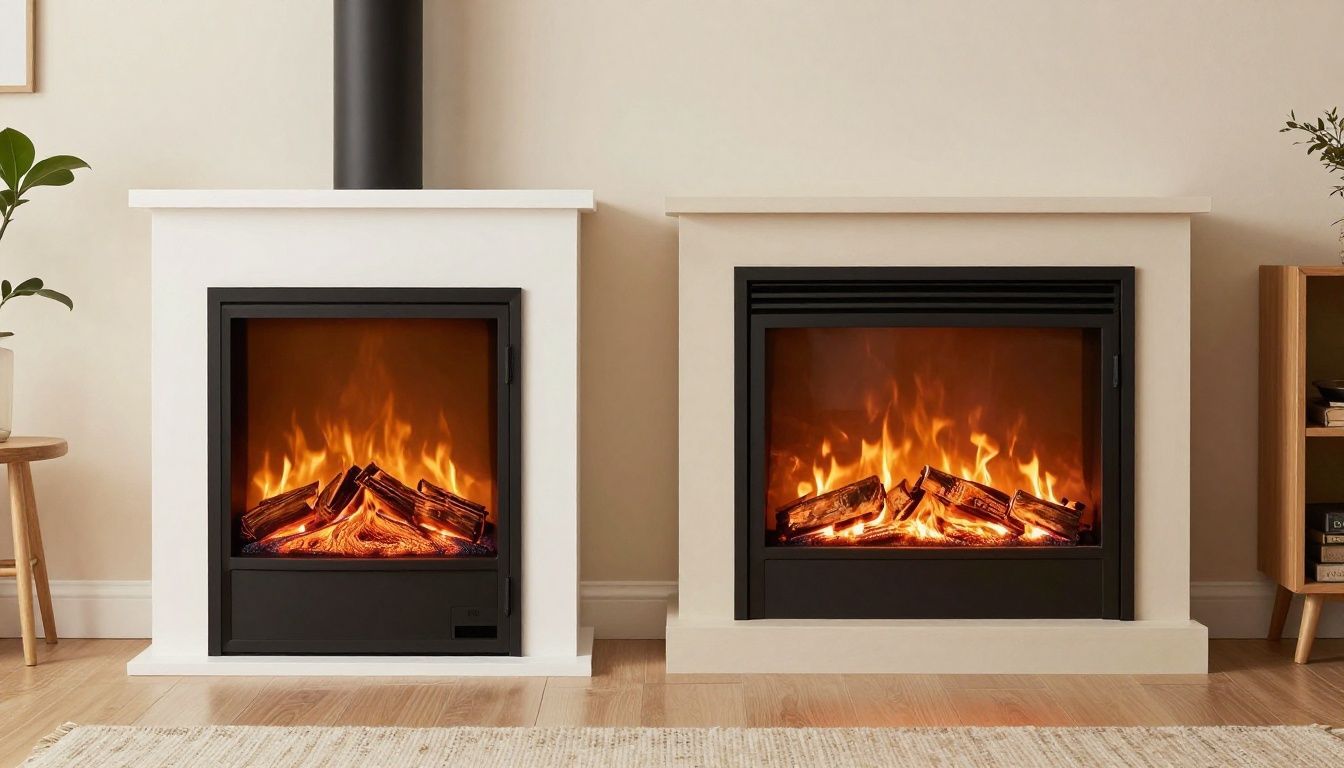
For homeowners in the Greater Toronto Area, the choice between fireplace inserts comes down to priorities. A gas insert, typically costing $3,000 to $7,000 installed, offers powerful, efficient heating and authentic flames. An electric insert is more affordable upfront, from $1,500 to $4,500, and offers greater installation flexibility, making it ideal for supplemental warmth and modern ambiance.
Choosing between an electric and a gas fireplace insert depends on your primary goal. A gas insert provides robust, radiant heat and an authentic flame, making it a substantial upgrade for an existing masonry fireplace. An electric insert offers superior installation flexibility and lower upfront costs, serving as an excellent source of supplemental heat and modern ambiance.
Many older homes across the GTA and York Region feature traditional wood-burning fireplaces that are inefficient, drafty, and messy. These open hearths can draw heated air out of your home through the chimney, increasing your heating bills. Fireplace inserts are purpose-built to slide into these existing openings, sealing them and transforming them into efficient heat sources.
This comprehensive guide compares both options on cost, performance, aesthetics, and maintenance to help you make an informed decision. We will explore the technical requirements and long-term value of each, providing the clarity needed to invest confidently in your home’s comfort and value.
Cost Analysis: Upfront Investment vs. Lifetime Operating Expense
A primary consideration for any home upgrade is the budget. The total cost includes the unit itself, professional installation, and ongoing fuel expenses. Understanding these figures is essential for homeowners in communities from Bolton to Markham.
Gas Insert Installation Costs Breakdown
A professionally installed gas fireplace insert is a significant investment, typically ranging from $3,000 to $7,000+. The unit itself, from respected brands like Napoleon or Regency, can cost between $2,000 and $5,000. The remaining cost covers labour and materials, which includes running a new gas line, installing direct vent liners inside the chimney, and making the necessary electrical connections for the blower fan. The final price can vary based on the complexity of the gas line installation and the specific venting requirements of your home.
Electric Insert Installation Costs Breakdown
Electric fireplace inserts present a lower barrier to entry, with total installed costs generally between $1,500 and $4,500. The units themselves are less expensive, often ranging from $800 to $3,000. Installation is far simpler as there is no need for venting or gas plumbing. The main labour costs involve fitting the unit into the existing opening and, in some cases, hiring an electrician to run a new dedicated 120-volt circuit to handle the heater’s electrical load, which can add $300 to $600 to the project.
Long-Term Operating Costs and ROI
While gas inserts cost more upfront, they are often more economical to run as a heat source. A gas insert producing 30,000 BTUs of heat may cost $0.50 to $1.00 per hour, based on Ontario’s natural gas rates. An electric insert’s heater, producing about 5,000 BTUs, can cost $0.50 to $1.50 per hour. By using a gas insert to heat your main living area, you can lower the thermostat on your central furnace, leading to noticeable savings on your overall heating bill and a strong return on investment over the appliance’s lifespan.
Heating Performance: Primary Heat Source vs. Supplemental Warmth
The right fireplace insert should meet your heating needs, whether you want to combat the deep cold of a Canadian winter or simply create a cozy atmosphere. Heat output, measured in British Thermal Units (BTUs), is a critical performance metric.
The Power of Gas: Radiant Heat and High BTUs
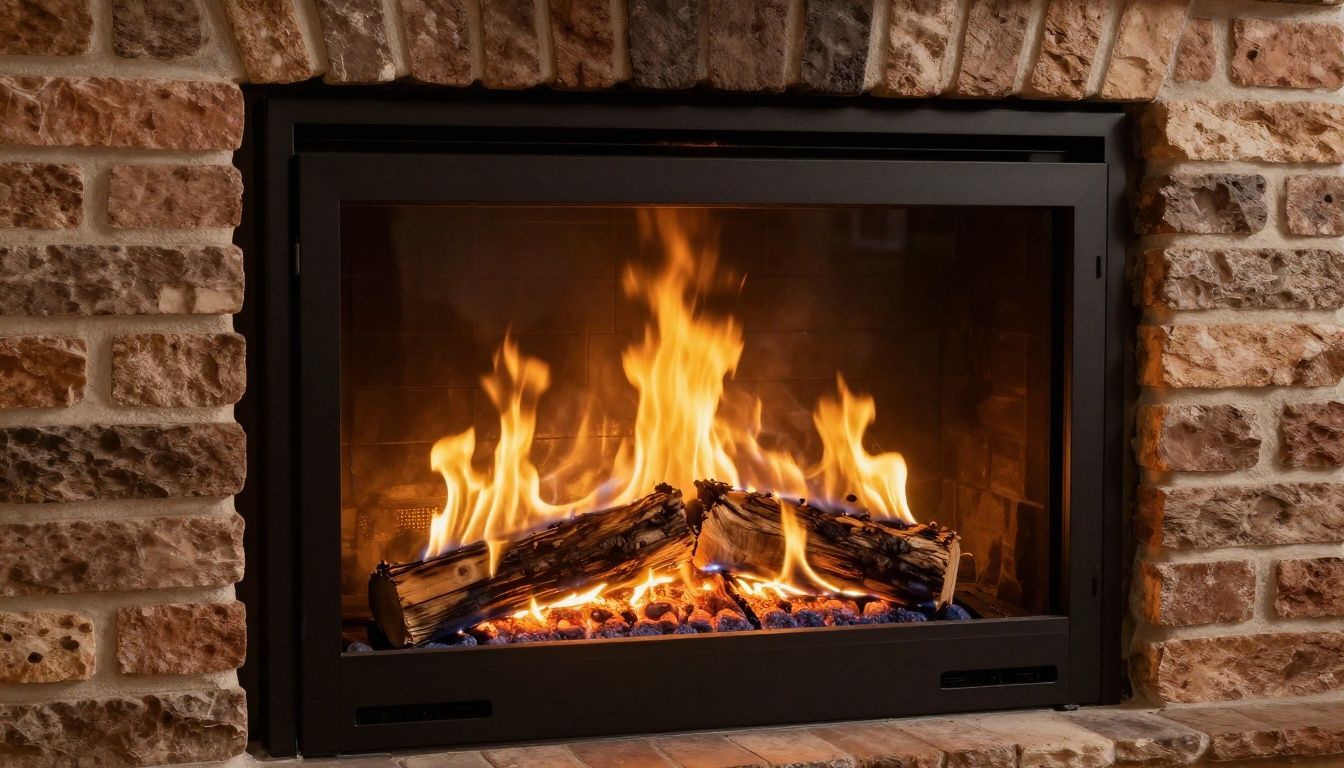
Gas inserts are powerful heaters, capable of producing 15,000 to over 40,000 BTUs. This is enough to comfortably heat a space of 1,000 to 2,000 square feet. They produce radiant heat, which warms objects and people directly, creating a comfortable, enveloping warmth similar to sunlight. This makes them an effective secondary heat source that can significantly reduce your reliance on a central furnace.
Crucially, many gas inserts feature a millivolt ignition system that can operate without any external electricity. This means you can still have heat and light during a winter power outage, a major benefit for any homeowner in the GTA.
The Convenience of Electric: Targeted Zone Heating
Electric inserts are designed for supplemental or “zone” heating. Their built-in heaters typically produce around 5,000 BTUs, the maximum possible on a standard 1500-watt, 120-volt circuit. This is ideal for taking the chill out of a specific room, like a basement, home office, or bedroom, up to about 400 square feet. They are not designed to be a primary heat source but excel at providing comfort exactly where you need it, without heating the entire house.
Installation & Venting: Technical Requirements and Limitations
The installation process is a major point of difference between gas and electric inserts. Your home’s construction and your willingness to undertake a more involved renovation will guide your decision.
The Direct Vent System for Gas Inserts
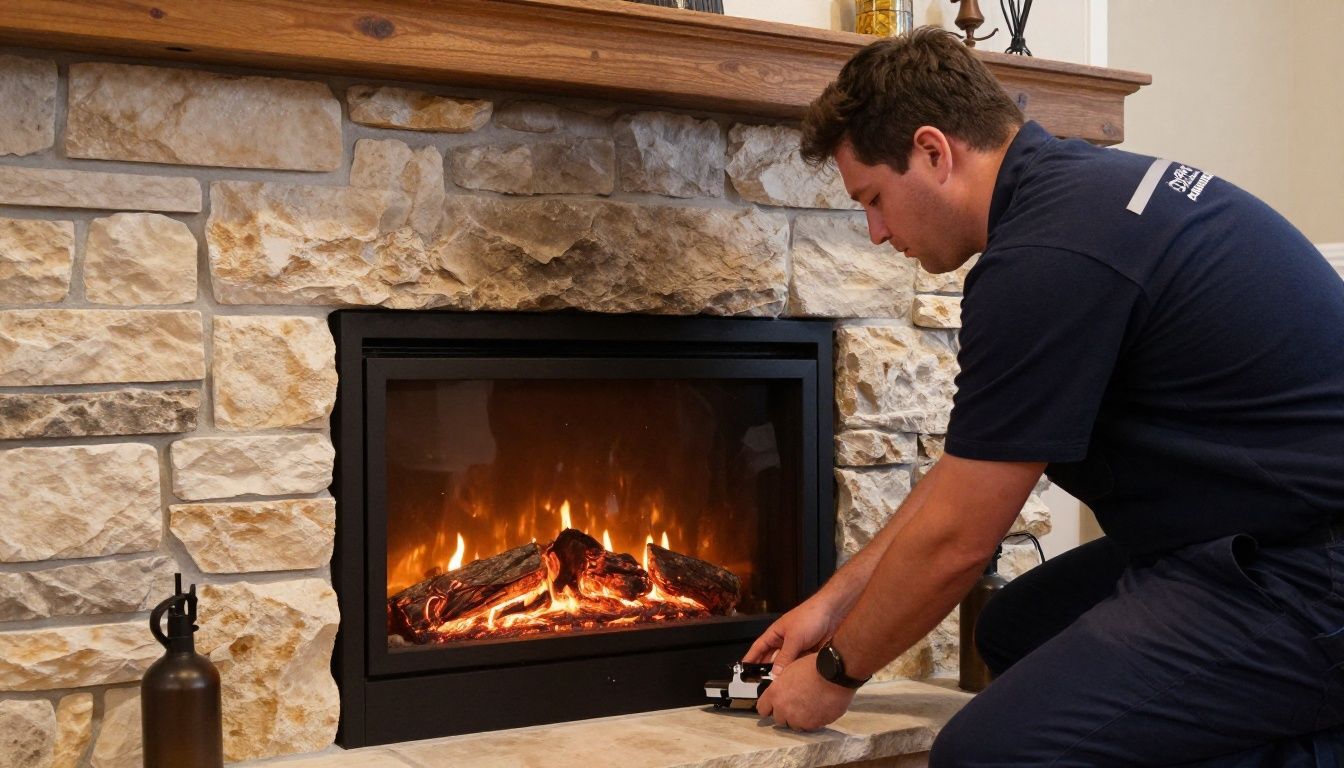
Installing a gas insert requires a direct vent system. This involves running two flexible aluminum liners down your existing chimney—one pipe draws fresh air from outside for combustion, and the other expels the combustion byproducts. This creates a sealed system that is highly efficient and protects your indoor air quality. This work must be performed by a TSSA-certified gas technician, like the experienced professionals at Direct Air Systems, to ensure safety and compliance with all codes.
The Unmatched Flexibility of Electric Inserts
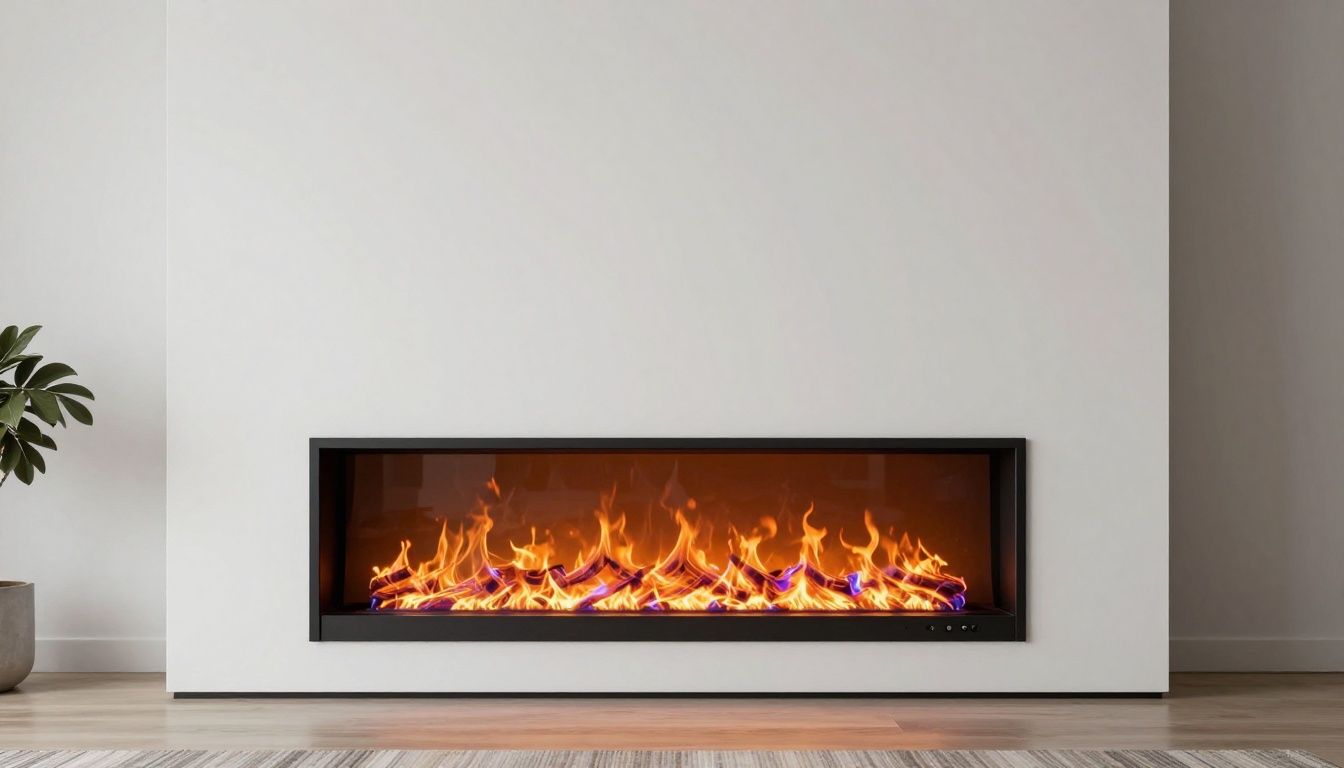
The simplicity of installing an electric insert is its greatest strength. Because they produce no emissions, they require no venting. This means they can be placed in an old fireplace, built into a feature wall, or even installed in a piece of custom furniture. This flexibility makes them the only viable option for many apartments, condos, and interior rooms, and it opens up a world of creative possibilities when choosing the right fireplace design for your home.
Design, Aesthetics, and Customization
For many, a fireplace is the aesthetic heart of the home. Modern technology has dramatically improved the look of both gas and electric options, but they cater to different tastes.
Achieving Authenticity with Gas Fireplaces
If realism is your top priority, a gas fireplace is the clear winner. Leading manufacturers have perfected burner technology to create flames that dance and flicker with remarkable realism around hand-painted log sets or contemporary media like stones and glass. You can further customize the look with interior panels that mimic brick or stone, or a reflective porcelain panel that enhances the flame’s appearance. High-end brands like Ortal and DaVinci offer stunning linear designs that can become the focal point of any room. You can see a range of these premium fireplaces at our Markham showroom.
Modern Versatility with Electric Fireplaces
Electric fireplaces offer unparalleled versatility. Using advanced LED technology, they can create a range of flame effects, from a traditional orange glow to contemporary blue, purple, and multi-coloured displays. Many models come with remote controls that allow you to change the flame colour, speed, and brightness, as well as the ember bed lighting. This level of customization allows you to tailor the fireplace’s ambiance to suit your mood or decor instantly.
Comparison Table: Electric vs. Gas Fireplace Inserts
Maintenance, Safety, and Environmental Impact
Ongoing maintenance, safety, and efficiency are practical concerns for any homeowner. Gas and electric inserts have very different long-term requirements.
Annual Servicing for Gas Fireplaces
To ensure safe and efficient operation, gas fireplaces require annual inspection and servicing by a qualified technician. As recommended by agencies like Natural Resources Canada (NRCan), this service includes cleaning the glass, inspecting the venting and pilot assembly, and testing all safety mechanisms. This small annual investment protects your appliance and your family.
The Low-Maintenance Electric Advantage
Electric fireplaces are virtually maintenance-free. With no real combustion, there is no soot, no vents to inspect, and no components to clean. The only potential maintenance is replacing the LED lights after many thousands of hours of use.
Safety and Environmental Profile
Both types are very safe, featuring a sealed glass front that remains cool enough to prevent serious burns, a key feature for families with children and pets. Environmentally, high-efficiency gas fireplaces are an efficient heating source, and many are ENERGY STAR® certified. While federal programs like the Canada Greener Homes Grant are focused on other upgrades, manufacturer rebates may be available. An electric fireplace’s environmental impact depends on how the electricity is generated; in Ontario, the grid is relatively clean, but natural gas is still a very efficient fuel for direct heating.

Frequently Asked Questions
1. Is a gas insert cheaper to run than an electric one? For producing a high amount of heat, a natural gas insert is generally cheaper to operate per hour than an electric insert with its heater running. However, if you only use the flame effect on an electric model, its operating cost is negligible.
2. Do I need a chimney for an electric fireplace insert? No, you do not need a chimney or any venting for an electric fireplace insert. They can be installed in an existing fireplace opening for aesthetics or built into a wall or cabinet, as they produce zero emissions.
3. How long does a gas fireplace insert last? With proper annual maintenance, a quality gas fireplace insert from a reputable brand can last 15 to 25 years. The longevity depends on the quality of the components and the consistency of professional servicing.
4. Can a fireplace insert heat my whole house? A high-output gas fireplace insert can provide significant heat for a large open-concept area or a small home, supplementing your central furnace. An electric insert is designed for supplemental zone heating and cannot heat an entire house.
5. Does a fireplace insert add value to my home? Yes, a high-quality fireplace insert, particularly a gas model, can increase your home’s resale value. It is an attractive feature for potential buyers, offering both ambiance and an efficient secondary heat source.
6. What brands of fireplaces do you carry? As a full-service HVAC and fireplace company, we work with leading brands known for quality and reliability, including Napoleon, Marquis, and Ortal. We can help you select the perfect model for your home’s style and heating needs. You can find more answers on our FAQ page.
Final Recommendation
For most homeowners in the Greater Toronto Area looking to solve a heating problem and add significant ambiance, a direct-vent gas insert is the superior long-term investment. It provides a powerful, reliable, and cost-effective heat source that can reduce your reliance on a central furnace during a cold York Region winter. The authentic flame, radiant warmth, and ability to operate during a power outage make it a truly functional and beautiful upgrade.
An electric insert is the perfect choice for those prioritizing design flexibility, modern aesthetics, and lower upfront costs, or for spaces where venting is impossible. It is the ideal solution for adding supplemental warmth and year-round ambiance to a specific room.
At Direct Air Systems, we believe in finding the right solution for each homeowner. For those seeking the best combination of performance, authenticity, and value, we recommend a high-efficiency gas fireplace insert. To truly understand the difference, we invite you to see the flames for yourself.
Ready to upgrade your fireplace?
Our no-pressure process starts with a conversation. We can help you find the perfect fireplace insert for your home and budget.
Call Us Today: 905-951-8080
Visit our Markham showroom at 162 Bullock Dr to see our premium fireplaces live before you buy.
About the Author — Jack Shahi, Founder & HVAC and Fireplace Expert, Direct Air Systems Ltd.
Jack Shahi is the founder of Direct Air Systems with over 30 years of experience in HVAC and fireplace installation across the GTA. He holds Lennox Premier Dealer and Lennox Powered by Samsung Dealer certifications and has guided thousands of homeowners through energy-efficient upgrades and government rebate programs.
Produced by: CiCon Marketing in collaboration with Direct Air Systems.
Ready to Get Started?
Serving Bolton, Markham, Toronto, Vaughan, Brampton, Mississauga & the entire GTA.