



Last Updated: June 2026
Quick Answer: Installing a wood-burning fireplace insert in an Ontario home typically costs between $4,500 and $9,000. This price includes the insert, a stainless steel chimney liner, and professional installation by a WETT-certified technician. The entire process, from initial consultation to final inspection, usually takes one to two days of on-site work.
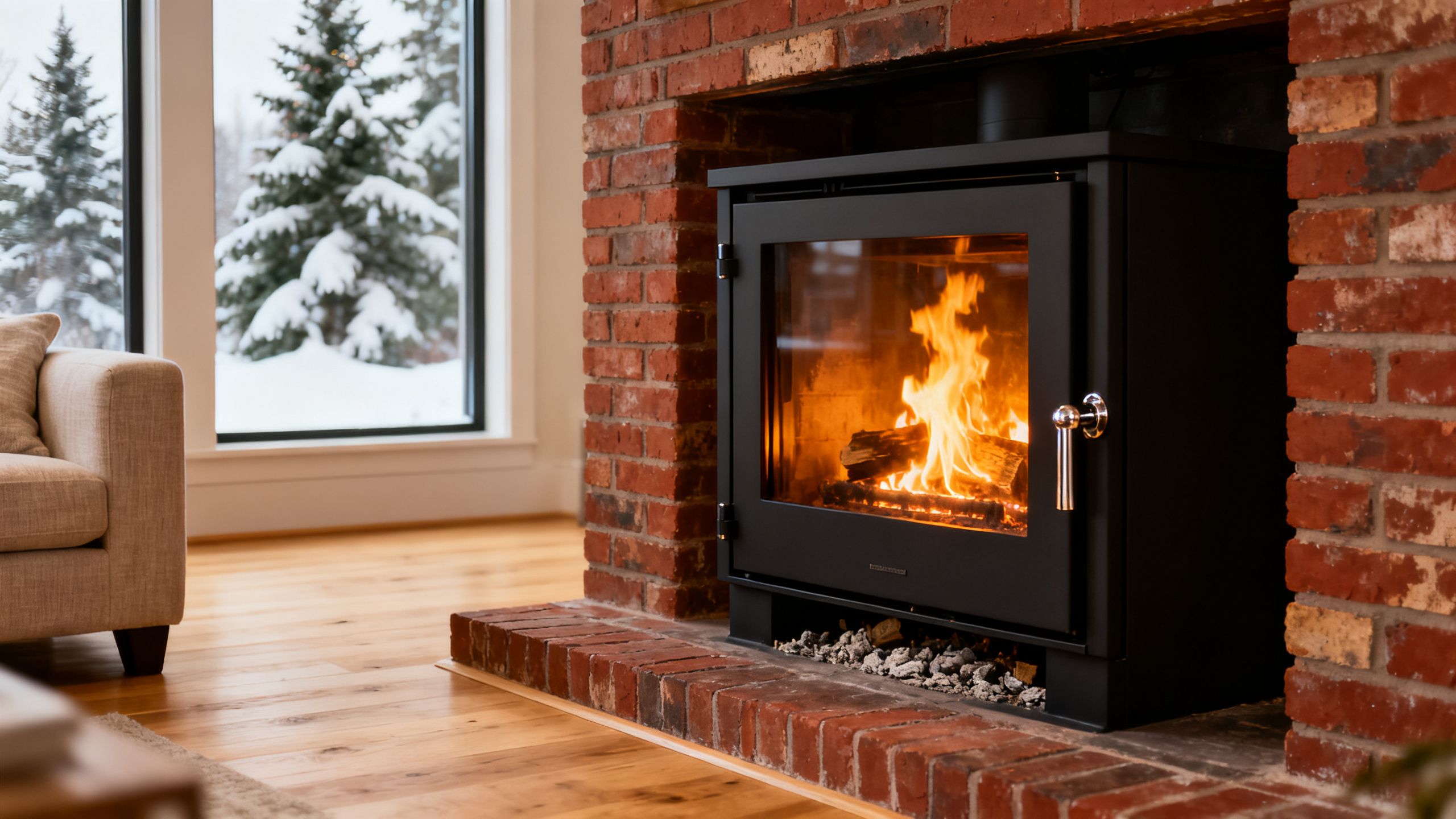
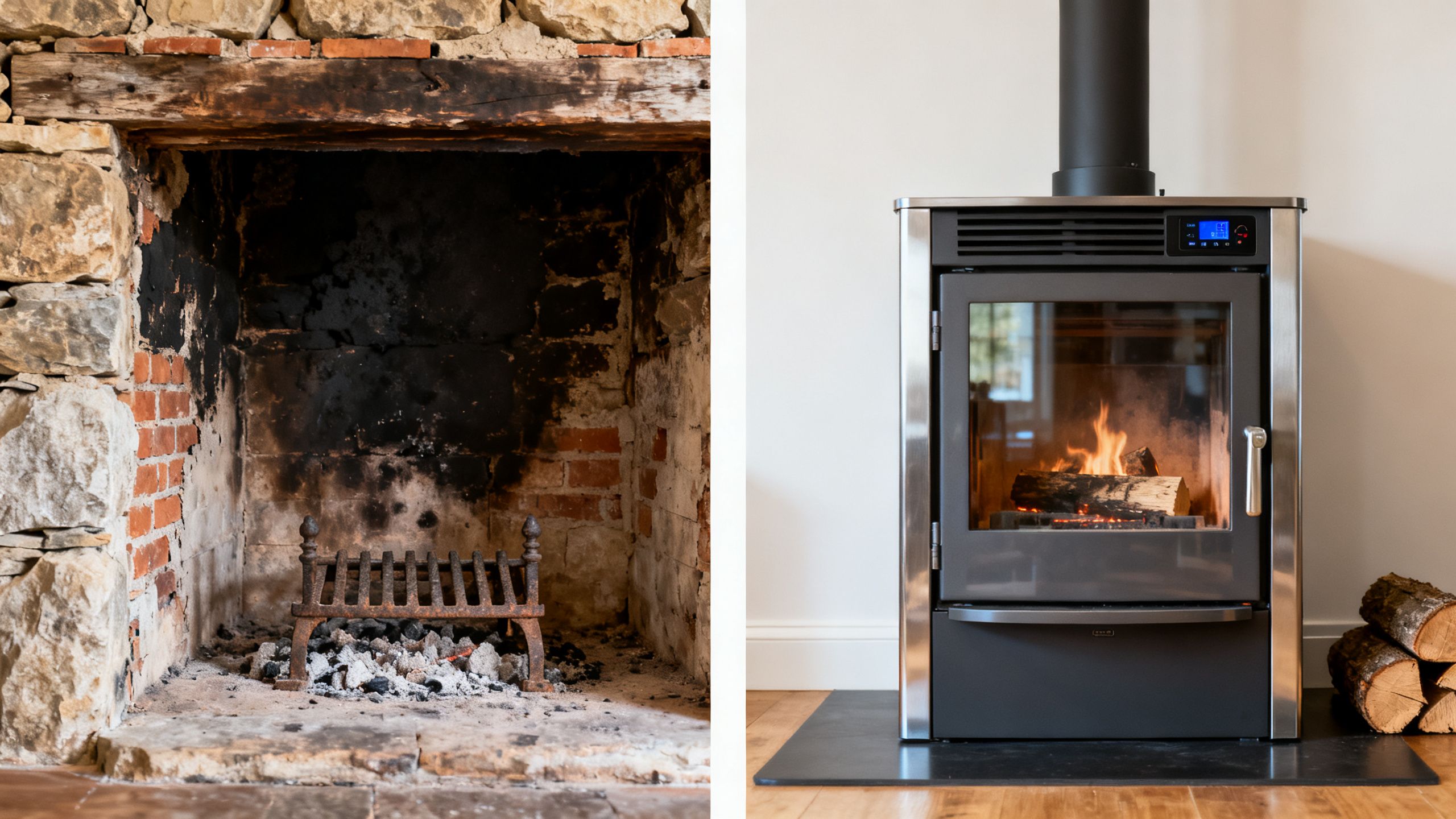
A wood-burning fireplace insert transforms an inefficient, open-hearth masonry fireplace into a powerful and efficient heat source for your Ontario home. By sealing the drafty opening and using controlled combustion, a modern insert can boost heating efficiency from a mere 10-15% to over 75%. This upgrade not only significantly reduces your reliance on your central furnace but also enhances safety by containing the fire and directing smoke and byproducts safely up a new, properly sized chimney liner.
For homeowners in the Greater Toronto Area (GTA), upgrading an existing wood fireplace is a practical investment in both comfort and property value. Modern inserts, certified by the Environmental Protection Agency (EPA), burn cleaner and produce more heat from less wood. This guide provides a comprehensive overview of the selection and installation process, helping you make an informed decision for your home.
Why Upgrade to a Wood-Burning Fireplace Insert?
An open masonry fireplace, while aesthetically pleasing, is a major source of heat loss in a home. It pulls conditioned air from your living space for combustion and sends it straight up the chimney, creating a negative pressure that draws cold outside air in through gaps in windows and doors. A wood-burning fireplace insert solves this problem by creating a closed combustion system. High-efficiency models from brands like Regency and Napoleon are designed to meet strict EPA standards, ensuring a clean burn that minimizes emissions and maximizes heat output. An insert with an efficiency rating of 75% delivers more than five times the usable heat from every log compared to an open hearth.
Beyond efficiency, safety is a primary reason for an upgrade. An insert contains sparks and embers, drastically reducing the risk of house fires. The installation includes a new stainless steel liner fitted to the size of the insert’s exhaust collar, which improves draft and prevents the buildup of dangerous creosote in an oversized, cold masonry chimney. This is a critical safety feature, as creosote is a leading cause of chimney fires. Furthermore, many insurance companies in Ontario require any wood-burning appliance to be installed and inspected by a technician certified by Wood Energy Technology Transfer (WETT) Inc. to maintain coverage.
Finally, the environmental performance of modern wood inserts is a significant factor. EPA-certified units can produce up to 90% less particulate matter (smoke) than older, uncertified stoves or open fireplaces. This means better air quality for your neighbourhood and a more responsible way to enjoy a real wood fire. These units achieve this through secondary combustion technology, where tubes introduce super-heated air to the top of the firebox to burn off smoke and gases before they can exit the chimney. This results in a beautiful, active flame and more heat from your firewood.
Choosing the Right Wood Fireplace Insert for Your GTA Home
Selecting the correct fireplace insert requires balancing heating needs, budget, and the physical constraints of your existing fireplace. The first step is to measure the firebox opening (height, width, and depth) to determine what size unit will fit. An experienced technician can help you assess your home’s heating requirements, measured in British Thermal Units (BTUs). An undersized unit will struggle to heat the space, while an oversized one may run too slowly, leading to smouldering fires and creosote buildup.
In Canada, prominent brands like Napoleon and Regency offer a wide range of reliable, high-performance inserts. Many of these models are ENERGY STAR® qualified, signifying they meet high efficiency and low emission standards set by Natural Resources Canada. When comparing models, look at the BTU output range, the certified efficiency rating, and the maximum log size. A larger firebox allows for longer burn times, meaning less frequent loading. Consider also the style—from traditional cast iron to modern steel designs—and the size of the glass door, which affects the view of the fire.
To help you compare, here is a table of popular wood insert categories available to homeowners in areas like Markham and Bolton:
| Feature | Small Inserts | Medium Inserts | Large Inserts |
|---|---|---|---|
| BTU Output | 18,000 – 45,000 BTU/hr | 45,000 – 65,000 BTU/hr | 65,000 – 80,000+ BTU/hr |
| Heating Area | Up to 1,200 sq. ft. | 1,000 – 2,200 sq. ft. | 1,500 – 3,000+ sq. ft. |
| Efficiency | 75% – 80% | 77% – 82% | 78% – 85% |
| Example Model | Regency Classic I1500 | Napoleon Oakdale EPI3T | Regency Pro-Series CI2700 |
| Best For | Zone heating a single room or small cottage | Heating the main floor of an average GTA home | Heating large, open-concept homes or spaces with high ceilings |
The Wood Burning Fireplace Insert Installation Process: A Step-by-Step Guide
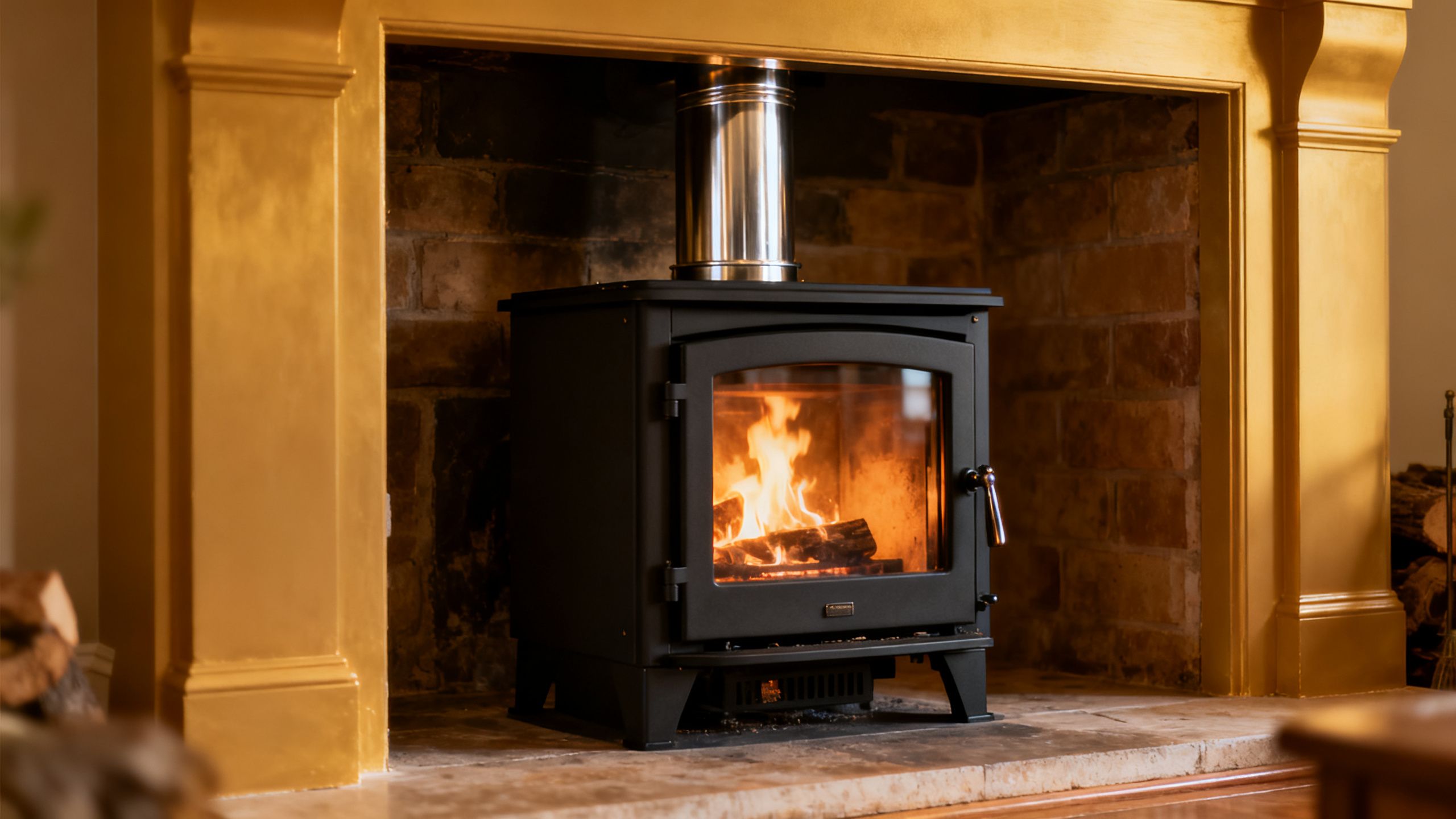
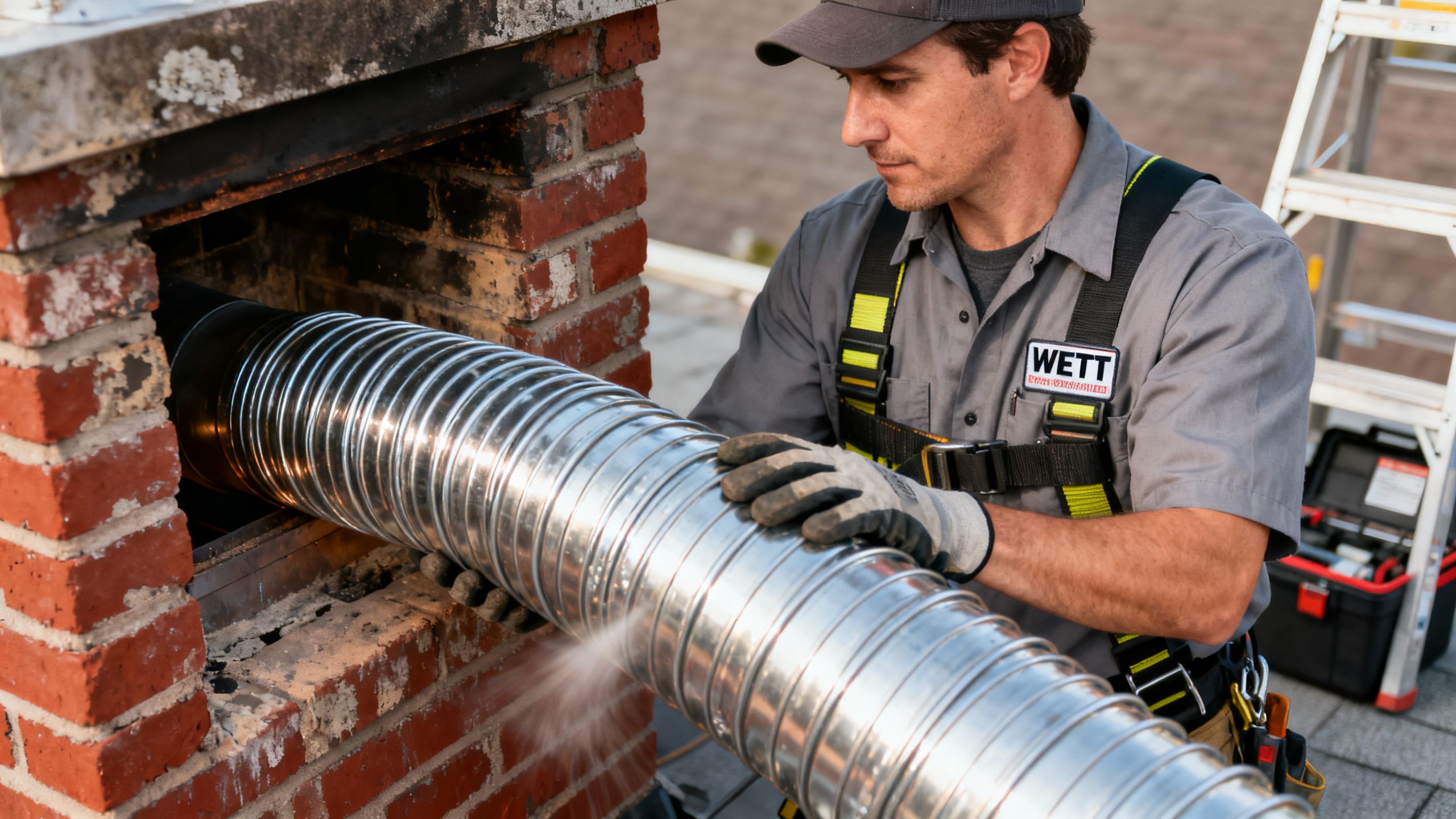
Professional installation is not just recommended; it is essential for safety, performance, and insurance compliance in Ontario. A WETT-certified technician follows a precise process to ensure your insert operates correctly and meets all building codes and manufacturer specifications. The process can be broken down into seven key steps.
- Initial Consultation and Measurement: A technician visits your home to inspect your existing fireplace and chimney. They take precise measurements of the firebox, hearth, and flue to ensure a compatible insert is chosen. This is also the perfect time to discuss your heating goals and aesthetic preferences. Visiting a showroom, like our Markham location at 162 Bullock Dr, can help you see live-burn models from brands like Marquis, Napoleon, and Regency before making a decision.
- Thorough Chimney Inspection and Cleaning: Before any installation work begins, the chimney must be professionally swept and inspected. The technician will check for structural integrity, blockages, and existing creosote buildup. Any necessary repairs to the masonry or crown must be completed at this stage.
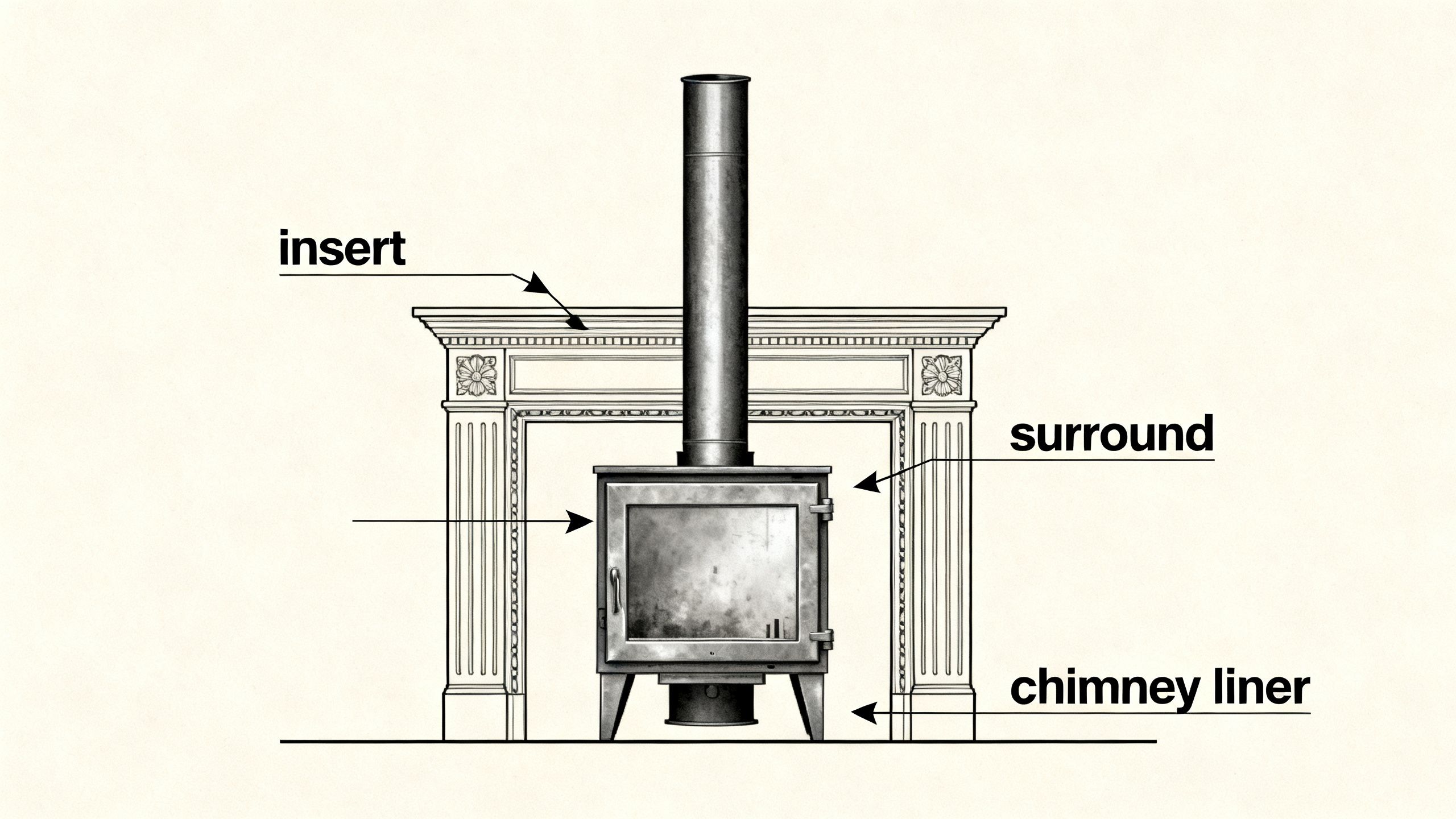
- Installing the Stainless Steel Chimney Liner: This is one of the most critical steps. A flexible, insulated stainless steel liner is lowered down the chimney from the roof and connected to the top of the insert. This liner creates a properly sized flue for the new appliance, ensuring strong draft and preventing hot exhaust from contacting the old masonry. While the materials differ, the concept is similar to venting a gas fireplace insert, which also uses a liner system for safety.
- Placing and Securing the Insert: The heavy insert is carefully moved into the firebox. It is positioned and levelled according to the manufacturer’s clearance requirements from combustible materials. The liner is then securely connected to the appliance’s flue collar.
- Installing the Surround and Finishing: A decorative surround, or flashing, is installed to cover the gap between the insert and the edges of the fireplace opening. This provides a clean, finished look and prevents heat from escaping into the chimney cavity. Any blowers or optional accessories are also installed at this time.
- Testing and Homeowner Walkthrough: The technician will light the first fire in the insert to cure the paint and test its operation. They will demonstrate how to operate the air controls, load wood correctly, and perform routine maintenance. This is your opportunity to ask any questions about using your new heating appliance.
- Final WETT Certification: Upon completion, the lead installer will issue a WETT inspection report. This document certifies that the installation complies with all relevant codes and standards. You will need to provide this report to your home insurance provider.
Understanding Costs, Regulations, and Fuel Choices in Ontario
The total cost of a wood-burning insert installation is a combination of the unit, the liner system, and skilled labour. The insert itself can range from $2,500 for a basic model to over $6,000 for a premium, high-efficiency unit. The stainless steel liner kit, including insulation and a rain cap, typically adds $1,000 to $2,500 to the cost, depending on chimney height. Labour for a standard installation by a WETT-certified team in the GTA usually falls between $1,500 and $2,500.
In Ontario, all solid fuel-burning installations are governed by the B365 Code for Installation of Solid-Fuel-Burning Appliances and Equipment. A WETT-certified professional is trained on these standards and ensures your project is fully compliant. Attempting a DIY installation is strongly discouraged, as it will void the product warranty and be rejected by your insurance company. For authoritative information on regulations, you can consult resources from WETT Inc. and Natural Resources Canada.
While wood inserts provide powerful, radiant heat and a classic ambiance, it is worth considering how they compare to other options. Gas fireplaces offer unmatched convenience with thermostat control and instant on/off functionality. Electric fireplaces provide the ultimate simplicity in installation and can be placed almost anywhere. Each fuel type has distinct advantages in terms of heat output, cost, and maintenance, a topic we cover in our electric vs. gas fireplace comparison guide. However, for homeowners who value off-grid heating capability and the authentic experience of a wood fire, a modern insert is the superior choice.
Frequently Asked Questions
1. Do I need a permit to install a wood-burning insert in Ontario?
In most municipalities within the GTA and York Region, a building permit is not required for an insert installed within an existing, code-compliant fireplace and chimney. However, your installation must be completed by a WETT-certified technician to be compliant for insurance purposes.
2. What is a WETT inspection and why is it important?
A WETT (Wood Energy Technology Transfer) inspection is a visual examination of a solid-fuel-burning system by a certified professional. It confirms that the system was installed correctly and adheres to all required codes and safety standards. This certification is required by nearly all home insurance companies in Canada.
3. How much does it cost to run a wood-burning fireplace insert?
The operating cost depends entirely on your source of firewood. If you have access to free, seasoned hardwood, the cost is minimal. If purchasing wood, a full cord of seasoned hardwood in the GTA can cost between $400 and $600, which can provide significant heat for much of the winter.
4. Can I install a wood-burning insert myself?
It is strongly advised against. A DIY installation will void the manufacturer’s warranty and will not be certified by WETT, making it uninsurable. Professional installation is crucial for safety, performance, and compliance with building codes.
5. How often do I need to clean my chimney with an insert?
With a modern, efficient insert and proper burning techniques using seasoned wood, your chimney should be inspected and cleaned at least once a year. Burning wet wood or consistently running the insert at a low smoulder can create more creosote and may require more frequent cleaning.
6. Are new wood-burning inserts environmentally friendly?
Yes, modern wood inserts that are EPA-certified are considered a carbon-neutral and environmentally responsible heat source. They burn so efficiently that they release very few particulates into the atmosphere compared to older stoves or open fireplaces. Using wood from sustainably managed local sources further enhances their green credentials.
Final Recommendation
For an Ontario homeowner with an existing masonry fireplace, installing a high-efficiency wood-burning insert is one of the most effective upgrades for improving comfort and reducing heating costs. It combines the timeless appeal of a wood fire with modern heating technology and safety standards. We recommend choosing an EPA-certified, non-catalytic insert from a reputable brand like Regency or Napoleon, sized to heat your main living area effectively (typically in the 50,000 to 65,000 BTU range for an average GTA home).
This choice provides an excellent balance of performance, reliability, and ease of use without the maintenance of a catalytic combustor. Entrusting the installation to an experienced, WETT-certified team like the one at Direct Air Systems ensures the project is done safely and correctly from start to finish. Our 30+ years of experience serving communities from Bolton to Markham guarantees a professional process and a result you can depend on for years of warmth and comfort.
Ready to Upgrade Your Fireplace?
Our non-commissioned experts can help you find the perfect wood-burning insert for your home and budget.
Call Us Today: (905) 951-8080
Visit our Markham showroom at 162 Bullock Dr to see our fireplaces live before you buy.
About the Author
Jack Shahi is the founder of Direct Air Systems with over 30 years of experience in HVAC and fireplace installation across the GTA. He holds Lennox Premier Dealer and Lennox Powered by Samsung Dealer certifications and has guided thousands of homeowners through energy-efficient upgrades and government rebate programs. Connect with the team on Instagram and Facebook or learn more at about us.
Disclaimer: The information presented here is intended as general advice only. For exact pricing tailored to your specific needs, it is essential to seek guidance from a qualified expert.
Produced by: CiCon Marketing in collaboration with Direct Air Systems.