



Last Updated: May 2026
Quick Answer: A suspended fireplace in Canada typically costs between $12,000 and $30,000+ for the unit and installation. The final price depends on the brand (e.g., Focus, JC Bordelet), fuel type (wood or gas), and the specific structural and venting requirements of your Greater Toronto Area home. A full consultation is required for an accurate quote.
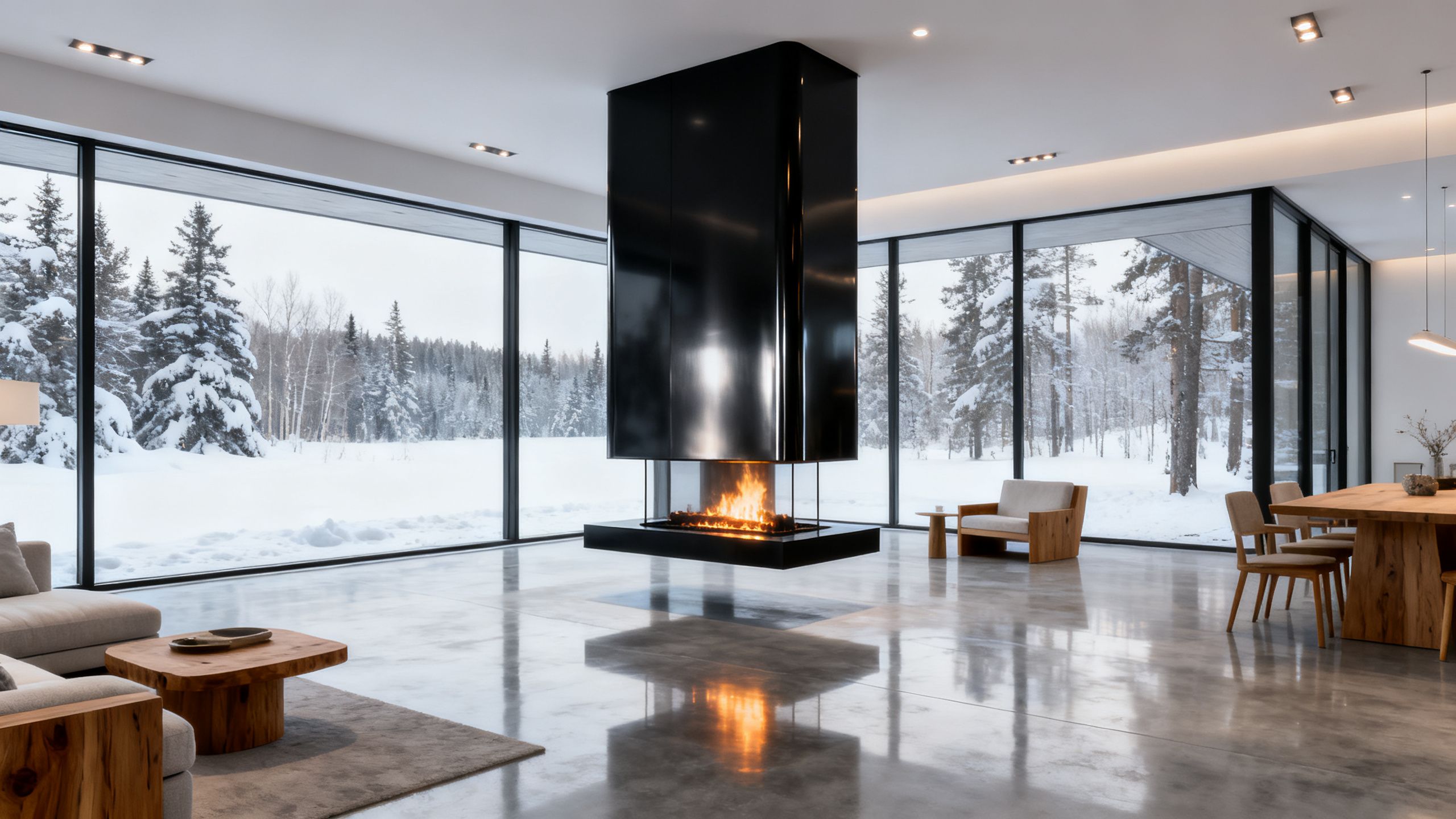
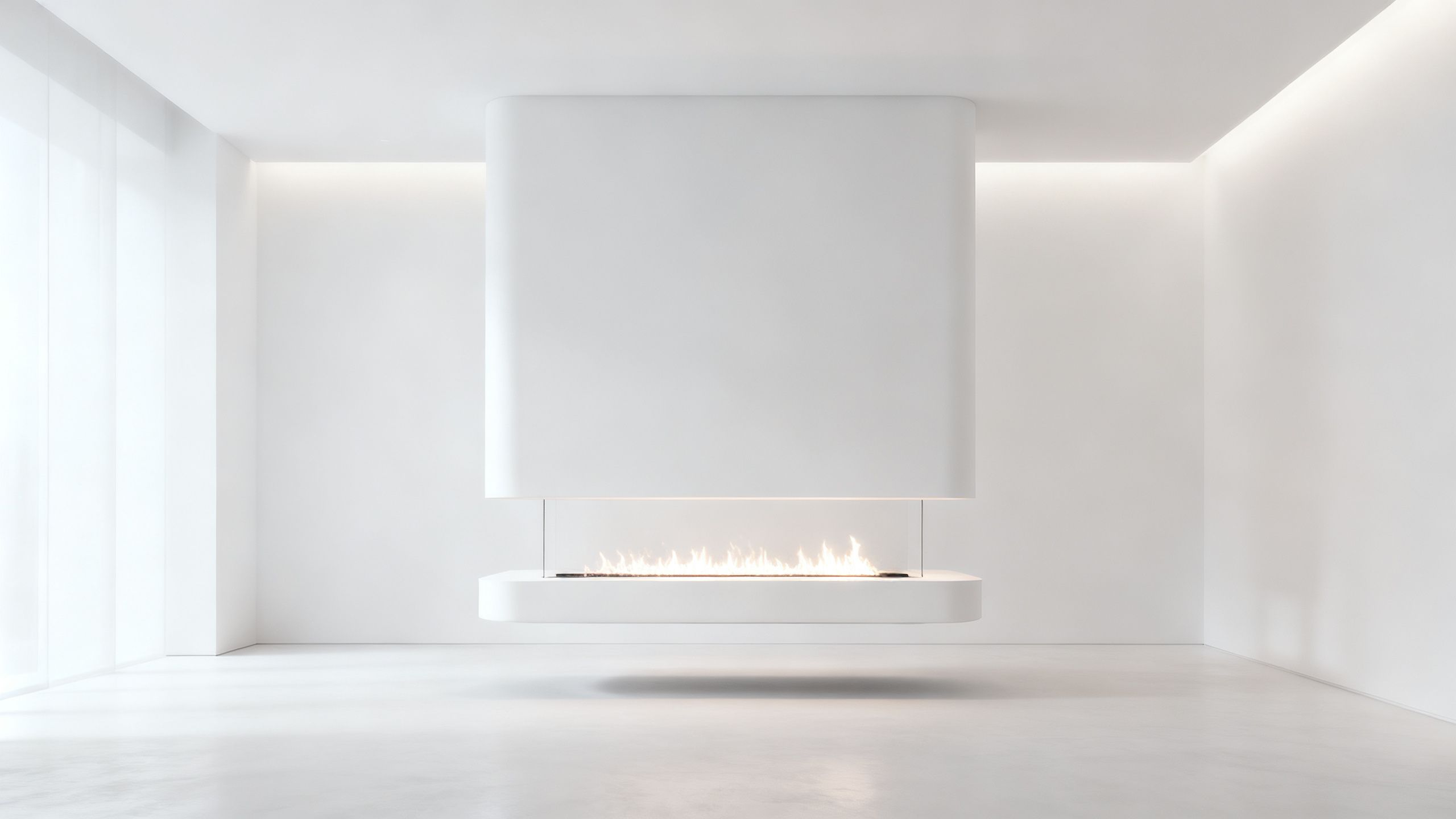
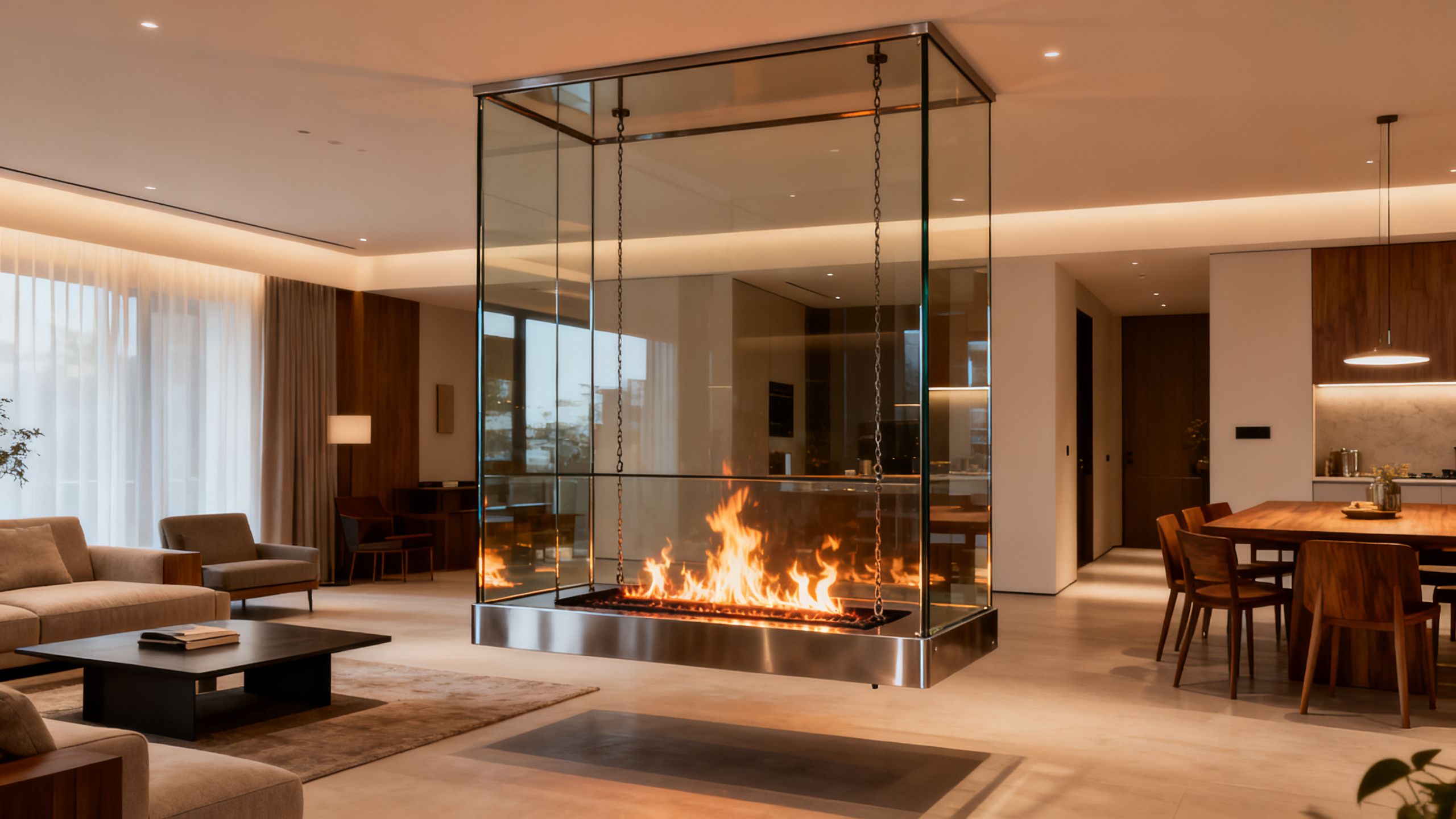
A suspended fireplace is a heating appliance that hangs from the ceiling rather than being built into a wall or resting on the floor. These centrepiece fireplaces, also known as hanging or floating fireplaces, offer a dramatic architectural statement and an unobstructed view of the flames. They are a premium addition to modern homes, valued more for their aesthetic impact than for their primary heating capacity. For homeowners in Canada, selecting and installing a suspended fireplace involves careful consideration of structural integrity, venting regulations, and budget.
This guide provides a comprehensive overview of suspended fireplaces for the Canadian market, with a focus on installation considerations within the Greater Toronto Area (GTA). We will explore the different types available, cost factors, leading brands, and the essential steps for a safe and compliant installation. While these units represent the peak of fireplace design, understanding the technical requirements is crucial before committing to this significant home upgrade. Direct Air Systems has over 30 years of experience helping homeowners navigate complex fireplace installations, ensuring both safety and style.
What Defines a Suspended Fireplace?
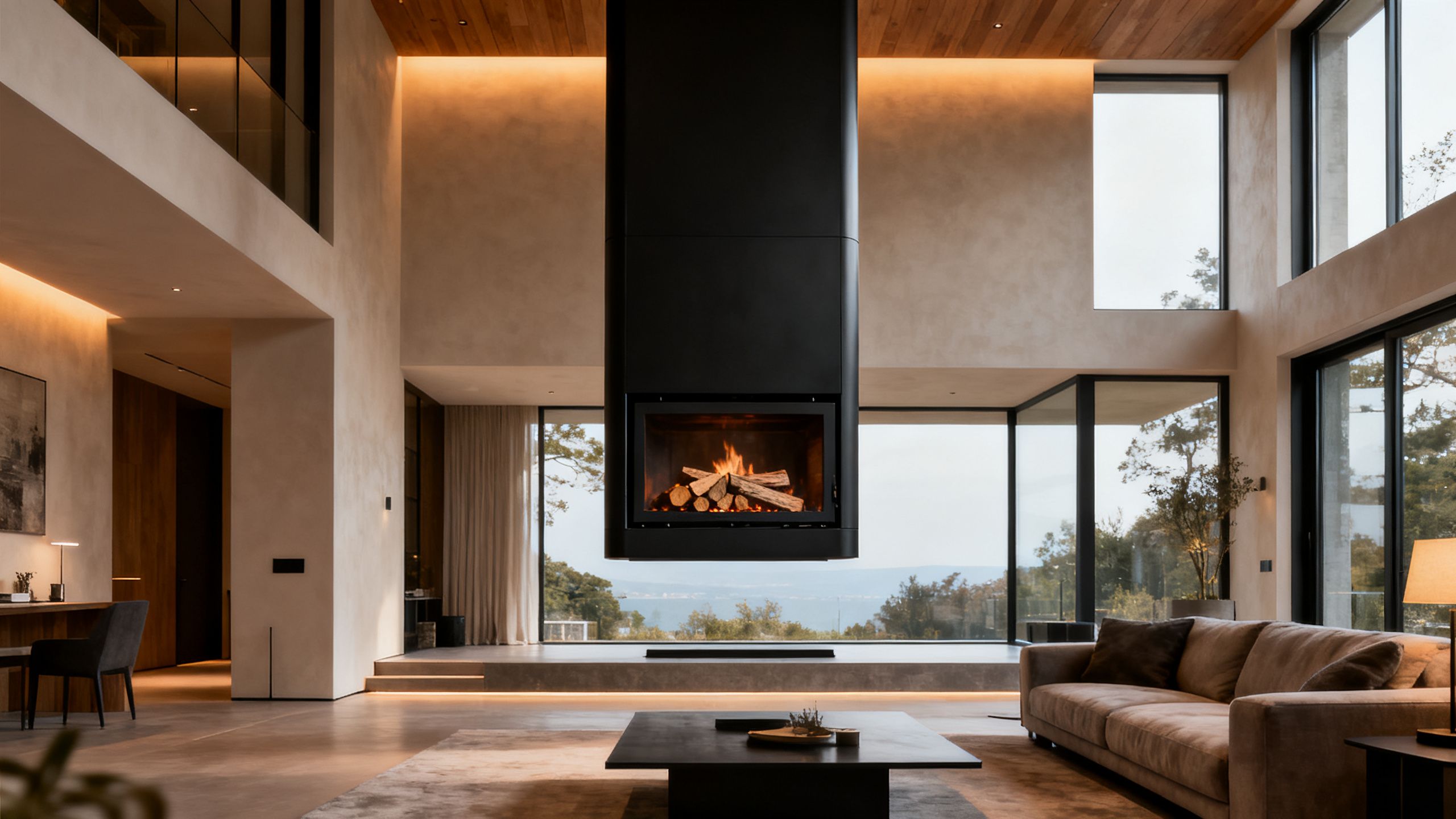
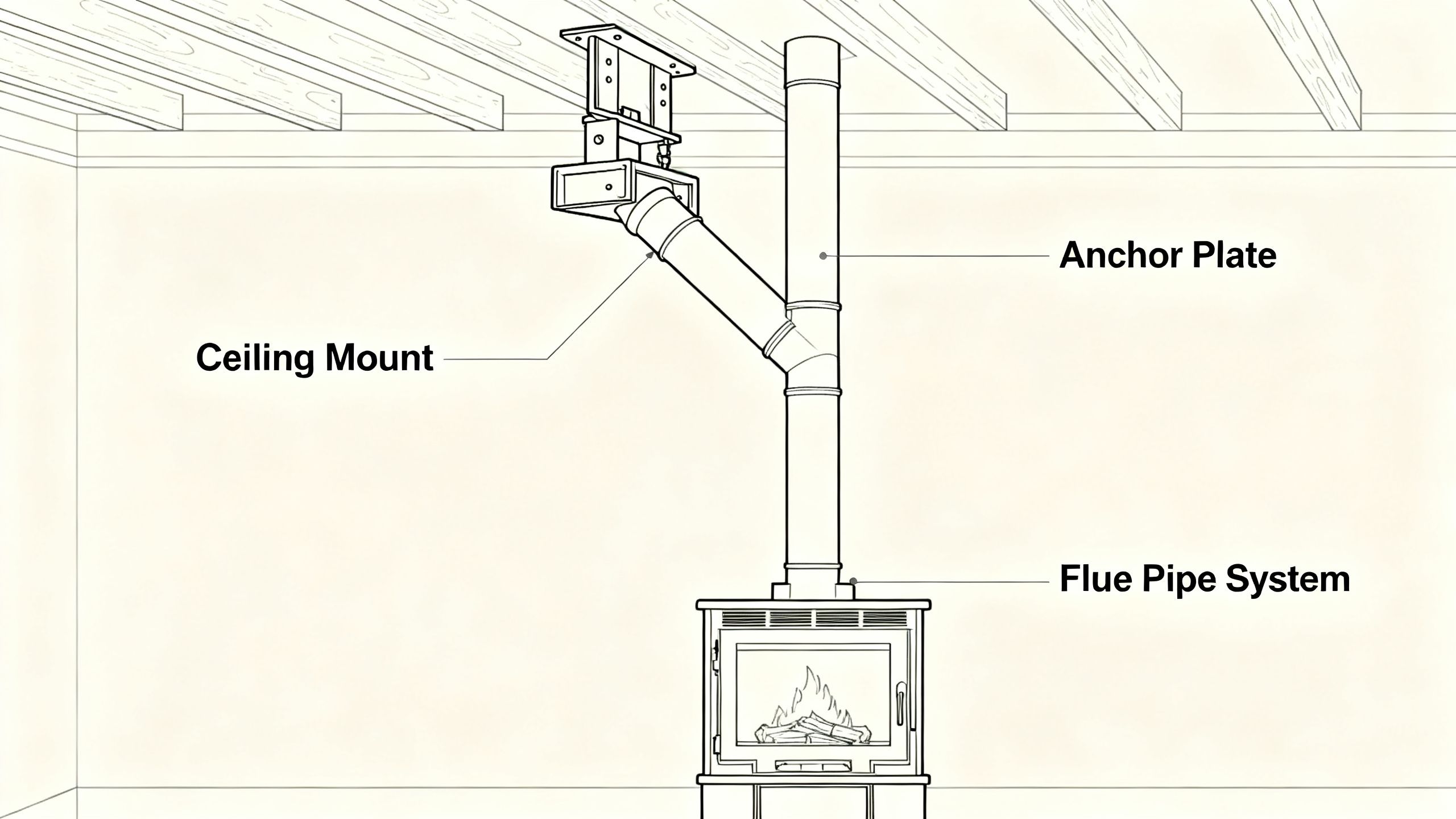
A suspended fireplace is fundamentally different from traditional hearths. Its entire weight is supported by a ceiling joist and a robust mounting system connected to its flue pipe. This design frees up floor space and creates a captivating focal point that can be enjoyed from multiple angles. The flue, which carries exhaust gases outside, is not just a functional component but a key part of the visual design, extending elegantly to the ceiling.
These fireplaces are most commonly wood-burning, offering the authentic crackle and aroma many homeowners desire. The original and most iconic design, the Gyrofocus by French company Focus in 1968, is a wood-burning model that can rotate 360 degrees. Gas models are also available, providing greater convenience and control at the cost of some of the rustic appeal. Gas units are often preferred in urban settings like Toronto or Markham where wood storage and local regulations can be a concern. Regardless of fuel type, all suspended fireplaces require professional installation by a certified technician to handle the complex structural and venting work.
The primary appeal is aesthetic. With BTU outputs often lower than high-efficiency sealed fireplace inserts, they are not typically installed as a primary heat source. For example, a Focus wood-burning model might have a nominal heat output of around 19,000 BTUs, whereas a high-efficiency Napoleon gas fireplace can exceed 30,000 BTUs. Homeowners choose them for the artistry and ambiance they bring to a space. The installation process is meticulous, often requiring a structural engineer to confirm the ceiling can bear the load, which can exceed 200-300 pounds.
Wood vs. Gas Suspended Fireplaces: A Comparison
Choosing between a wood-burning and a gas-fueled suspended fireplace is the first major decision. Each has distinct implications for installation, maintenance, cost, and user experience. While wood offers a traditional ambiance, gas provides modern convenience. For homeowners in the GTA, local bylaws and home design often influence this choice. Below is a comparison to help guide your decision.
| Feature | Wood-Burning Suspended Fireplace | Gas Suspended Fireplace |
|---|---|---|
| Ambiance | Authentic crackle, smell, and larger, more dynamic flames. | Consistent, controllable flames with a clean look. Lacks the sound and smell of real wood. |
| Fuel Cost & Storage | Requires dry, seasoned hardwood. Cost varies, and storage space is necessary. | Uses natural gas or propane. Generally more convenient with stable pricing. No on-site storage needed. |
| Installation & Venting | Requires a Class A chimney system. Installation must be done by a WETT-certified technician. Stricter clearance-to-combustible rules. | Requires a direct vent system, which can be routed vertically or horizontally. Offers more installation flexibility. |
| Heat Output | Varies by model, typically 15,000 – 25,000 BTUs. More for ambiance than efficient heating. | Often more efficient, with some models from brands like Ortal offering higher BTU outputs and better heat management. |
| Maintenance | Requires regular chimney sweeping, ash removal, and inspection. See our 2026 Ontario HVAC Maintenance Checklist for general home heating care tips. | Lower maintenance, typically requiring an annual service check of the burner, fan, and venting system. |
| Typical Unit Cost | $10,000 – $20,000+ | $12,000 – $25,000+ |
| Environmental Impact | Modern models must meet EPA emissions standards, but still produce particulates. | Burns cleaner than wood. High-efficiency models are a better choice for air quality. |
For many, the romance of a real wood fire is irreplaceable. However, the convenience and clean operation of gas are compelling advantages, especially in densely populated areas of York Region. Consulting with an expert who understands local codes is essential. The team at Direct Air Systems provides HVAC installation across the GTA and can advise on the most suitable fuel type for your home and lifestyle.
2026 Installation Costs & Process in Canada
Installing a suspended fireplace is a specialized project with costs that extend well beyond the unit itself. A realistic budget must account for structural assessments, labour, venting materials, and finishing work. The process is significantly more involved than for a standard gas insert or freestanding stove.
Here is a breakdown of the typical costs you can expect in the GTA for a suspended fireplace installation in 2026:
- The Fireplace Unit: $10,000 – $25,000+. This is the largest single expense. Brands like Focus, JC Bordelet, or DaVinci (known for luxury linear fireplaces) command premium prices.
- Structural Engineer Consultation: $500 – $1,500. This is a non-negotiable step. An engineer must inspect your ceiling joists and roof structure to ensure they can safely support the fireplace’s weight and design a suitable mounting strategy.
- Installation Labour: $4,000 – $10,000+. This reflects the complexity of the job, which can take a team of certified technicians 3-5 days. It includes mounting the unit, running the flue through multiple floors and the roof, and ensuring all clearances are met.
- Venting & Chimney Parts: $2,000 – $6,000. The cost depends on the length of the flue required, the number of offsets (bends), and the type of chimney system (e.g., Class A for wood).
- Finishing (Drywall, Paint, Roofing): $1,000 – $3,000. After the installation, you will need other trades to patch the ceiling, roof, and any other affected areas.
Total Estimated Cost: $17,500 – $46,000+
This significant investment places suspended fireplaces firmly in the luxury category. While beautiful, they do not qualify for energy-saving rebates like the Canada Greener Homes Grant, which is aimed at high-efficiency heating systems like Lennox heat pumps. The value proposition is in the architectural enhancement and unique ambiance. For a deeper look into how high-end units are valued, our review of luxury costs and GTA value offers relevant insights. To get an accurate price for your specific project, a detailed in-home assessment is essential.
Top Suspended Fireplace Brands & Alternatives
While the market for suspended fireplaces is niche, several international brands are renowned for their quality and design. Getting these units in Canada often involves working with specialized distributors.
- Focus: The French creator of the original rotating Gyrofocus. Their models are handcrafted and considered works of art. They are the benchmark for wood-burning suspended designs and are available through Canadian dealers.
- JC Bordelet: Another high-end French manufacturer, known for vibrant colours and sleek, modern lines. They offer both wood and gas models with distinctive, elegant shapes.
- Ergofocus: A model from the Focus line, this wall-mounted suspended fireplace offers a space-saving alternative while maintaining the floating aesthetic.
While Direct Air Systems can consult on the installation of these specialized units, our showroom focuses on premier North American brands that offer exceptional quality and local support. Brands like Napoleon, Marquis, and Regency provide a wide range of high-performance traditional and linear fireplaces. Our 2026 GTA Buyer’s Guide to Napoleon fireplaces highlights the benefits of choosing a Canadian-made product known for reliability. Visiting our Markham showroom allows you to see the quality of these brands firsthand and discuss how a statement fireplace, whether suspended or linear, can fit into your home’s design.
Frequently Asked Questions
1. How much does a suspended fireplace cost in Ontario?
In Ontario, the all-in cost for a suspended fireplace, including the unit, structural consultation, and professional installation, generally ranges from $17,000 to over $45,000. The final price is influenced by the brand, fuel type, and the structural complexity of your home.
2. Are suspended fireplaces an efficient way to heat a room?
No, suspended fireplaces are generally not considered an efficient primary heat source. They are designed for aesthetics and ambiance, with modest BTU outputs and heat radiation. For efficient heating, an ENERGY STAR certified furnace or a high-efficiency gas fireplace insert is a much better option.
3. What are the ceiling height requirements for a hanging fireplace?
Most manufacturers recommend a minimum ceiling height of 8 to 9 feet, but they are best suited for rooms with vaulted or high ceilings (10 feet or more). This allows the fireplace and its flue to become a dramatic vertical feature without overwhelming the space.
4. Can I install a suspended fireplace in my condo?
Installation in a condo is extremely difficult and often prohibited. It requires significant structural modifications to the ceiling, which is a common element, and complex venting that must be approved by the condo board. It is generally only feasible in top-floor penthouse units with roof access.
5. Do hanging fireplaces require special maintenance?
Yes. Wood-burning models require annual chimney sweeping by a WETT-certified professional and regular ash removal. Gas models should be serviced annually by a licensed gas technician to inspect the burner, pilot light, and venting system for safety and performance.
6. Are wood-burning suspended fireplaces legal in the GTA?
Yes, but they must be installed to meet all provincial building codes and local municipal bylaws. The fireplace model must be EPA-certified for emissions, and the installation must be completed by a WETT-certified technician to ensure proper clearances and venting.
Final Recommendation
A suspended fireplace is an unparalleled architectural statement for homeowners seeking a unique and dramatic focal point. It is a luxury item where the primary return on investment is aesthetic. The complexity and safety requirements of the installation process—from structural engineering to specialized venting—mean this is not a project for a general contractor. It demands expertise.
For homeowners in the GTA, from Bolton to Scarborough, the most critical step is a professional consultation. While the allure of a floating fire is strong, a proper assessment will determine if it is a feasible and safe addition to your home. The team at Direct Air Systems, with over 30 years of experience and as a certified Lennox Premier Dealer, has the technical knowledge to guide you. We can evaluate your home’s structure, discuss the pros and cons of wood versus gas, and ensure any installation meets the highest safety standards. We invite you to visit our Markham showroom to explore our live displays of other premium fireplaces from brands like DaVinci and Napoleon to find the perfect centrepiece for your home.
Get a Free Quote
Ready to discuss your fireplace project? Contact us for a no-pressure consultation and a detailed quote tailored to your home.
Call Us Today: (905) 951-8080
Visit our Markham showroom at 162 Bullock Dr to see our fireplaces live before you buy.
Disclaimer: The information presented here is intended as general advice only. For exact pricing tailored to your specific needs, it is essential to seek guidance from a qualified expert.
Produced by: CiCon Marketing in collaboration with Direct Air Systems.
About the Author
Jack Shahi is the founder of Direct Air Systems with over 30 years of experience in HVAC and fireplace installation across the GTA. He holds Lennox Premier Dealer and Lennox Powered by Samsung Dealer certifications and has guided thousands of homeowners through energy-efficient upgrades and government rebate programs. Connect with us on Instagram and Facebook or learn more on our about us page.