



Last Updated: May 2026
Quick Answer: A gas fireplace insert is a self-contained unit that fits into an existing wood-burning fireplace, converting it to a high-efficiency gas heater. In 2026, homeowners in the Greater Toronto Area can expect the total cost of a professionally installed gas insert to range from $4,500 to $8,500. This price includes the unit, venting, and labour, offering a significant upgrade in heating efficiency, safety, and convenience over a traditional wood fire.
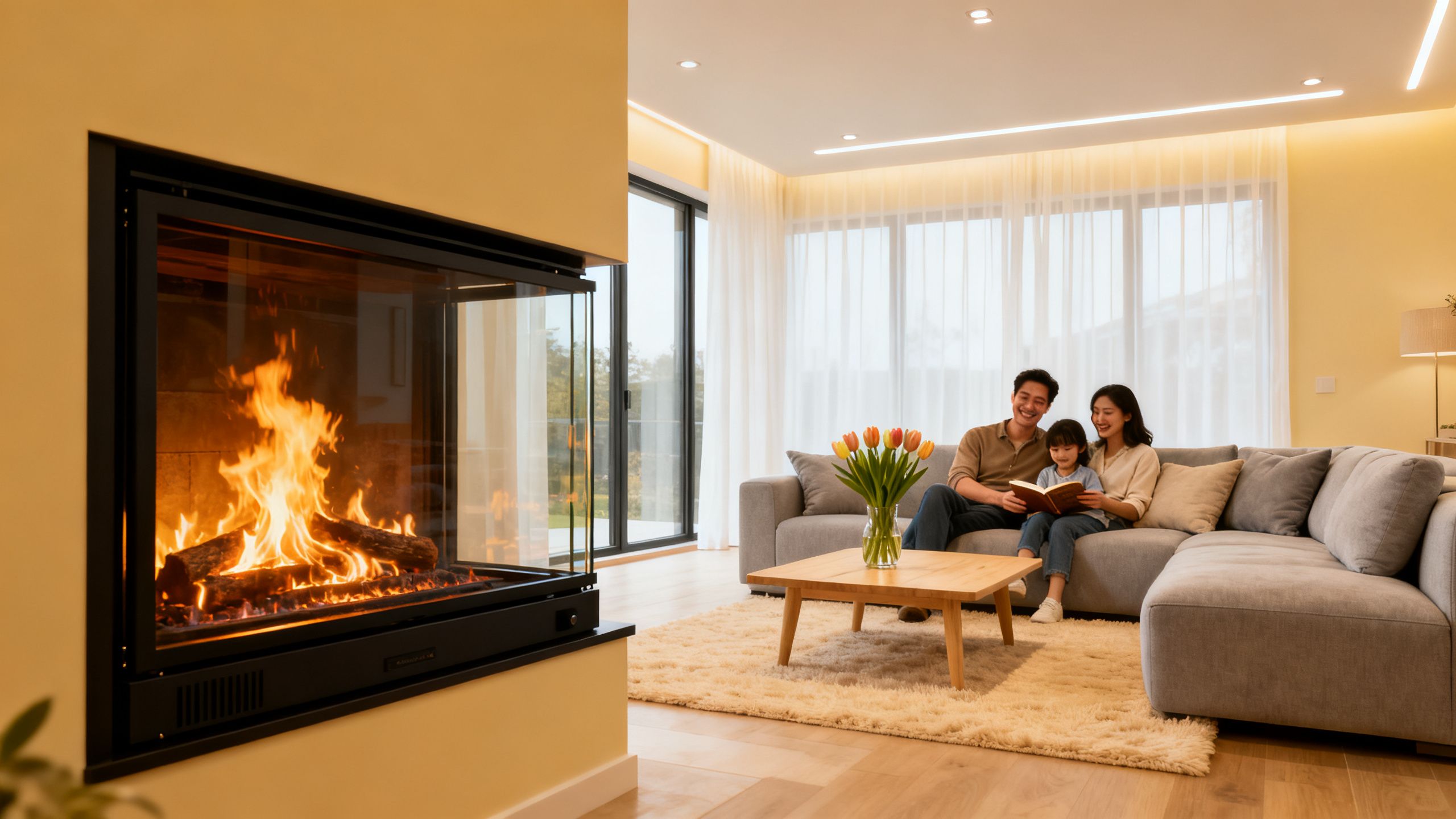
A gas fireplace insert is a sealed firebox unit designed to be installed directly inside an existing masonry or factory-built wood fireplace. It functions as a high-efficiency heater, using natural gas or propane to generate consistent, controllable warmth without the mess, emissions, or labour of burning wood. This conversion transforms an often drafty and inefficient open hearth into a practical heat source that can significantly reduce home heating costs.
Unlike a gas log set, which is purely decorative, a gas insert is a complete heating appliance with its own glass front, combustion chamber, and venting system. This closed-loop design prevents heated indoor air from escaping up the chimney, a common issue with traditional fireplaces that can have an energy efficiency rating as low as 5-10%. In contrast, modern gas inserts can achieve efficiency ratings of up to 85%, turning your fireplace into a functional zone heater for your main living area.
How a Gas Fireplace Insert Works
A gas fireplace insert is an engineered system designed for both performance and safety. It retrofits an old fireplace opening, sealing it off and replacing it with a modern heating appliance. Understanding its core components helps clarify how it delivers consistent heat so efficiently.
At its heart is a sealed combustion firebox. This metal box is fronted with high-temperature ceramic glass, creating a closed system. This design is crucial for efficiency; it draws air for burning from outside the home and expels exhaust gases to the exterior, preventing any exchange with your indoor air. This eliminates drafts and ensures that the air quality inside your home is not affected by the combustion process.
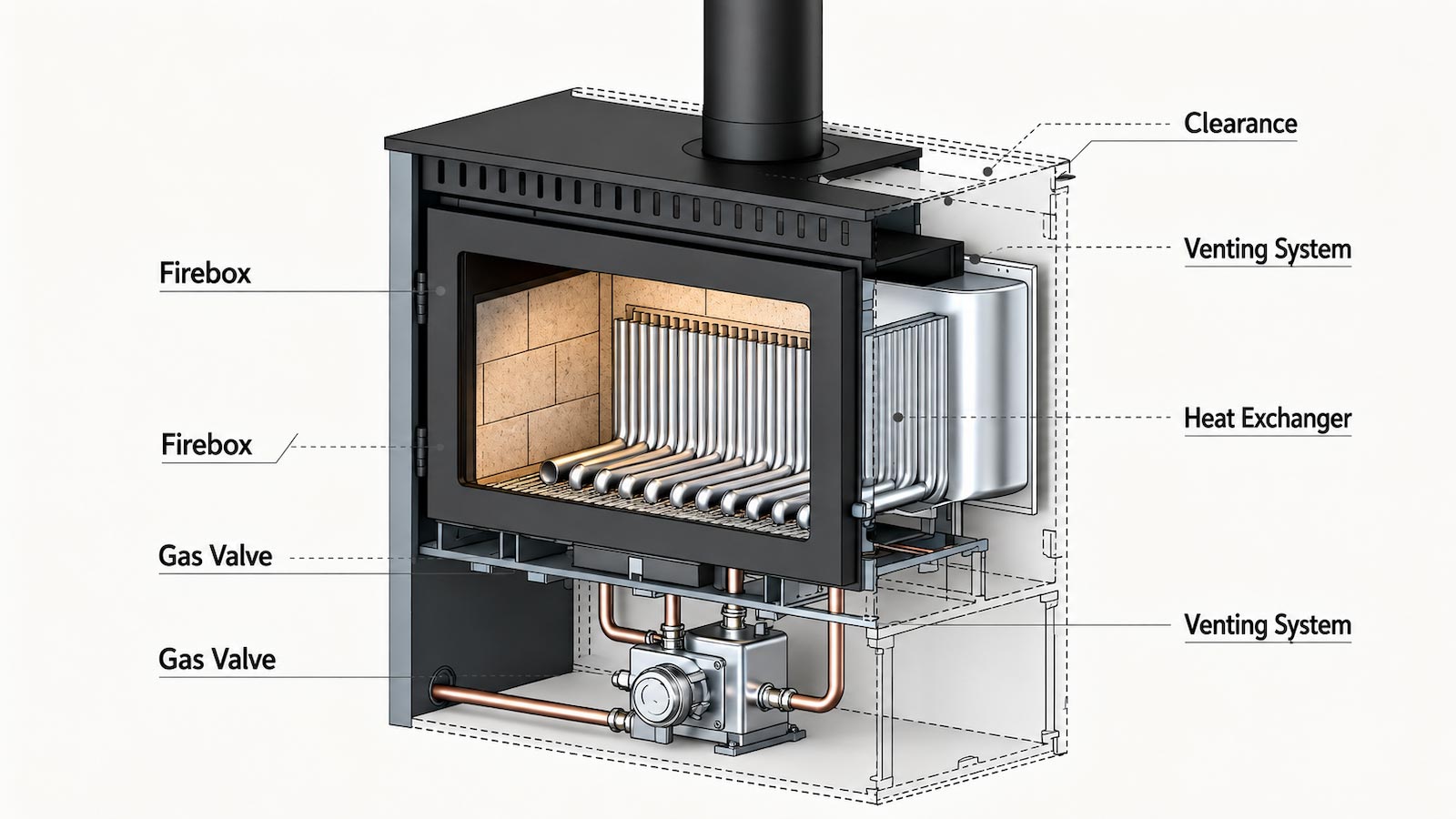
The insert is vented using a co-linear or co-axial flue system that runs up the existing chimney. Typically, this involves two flexible aluminum liners: one draws fresh air from the top of the chimney down to the firebox for combustion, and the other expels the resulting exhaust gases (like carbon monoxide and water vapour) safely back outside. This direct vent technology is the standard for modern gas appliances, as detailed by sources like Natural Resources Canada (NRCan), because it maximizes both safety and efficiency.
Ignition is handled electronically, usually via a remote control or wall switch. Modern systems use an intermittent pilot ignition (IPI), which only lights the pilot when you turn the fireplace on, saving fuel compared to older standing pilot systems. Once ignited, a gas valve modulates the flow of natural gas or propane to the burner, allowing you to control the flame height and heat output. Many models from brands like Napoleon and Marquis offer advanced controls, letting you adjust fan speed, set a thermostat, and even program on/off times.
Finally, a variable-speed blower fan is a standard feature on most inserts. This fan draws cool room air into a chamber around the firebox, heats it, and then circulates the warm air back into the room. This convection process is what makes an insert a powerful heater, distributing warmth far more effectively than the radiant-only heat of a traditional wood fire.
Gas Fireplace Insert Costs in the GTA (2026)
For homeowners in Toronto, Markham, and across the GTA, budgeting for a gas fireplace insert involves considering the unit itself, the venting system, and professional installation. While prices vary based on the model’s features and the complexity of the installation, a clear breakdown helps set realistic expectations.
Here is a typical cost breakdown for a gas fireplace insert installation in 2026:
| Item | Average Cost Range (CAD) | Description |
|---|---|---|
| Gas Insert Unit | $2,500 – $6,000+ | Cost depends on brand (e.g., Napoleon, Marquis, Regency), size (BTU output), and features like remote control, thermostat, and aesthetic options. |
| Venting Kit & Liner | $800 – $1,500 | Includes the flexible dual-liner system required for direct vent inserts, running the length of your chimney. Cost varies with chimney height. |
| Installation Labour | $1,200 – $2,500 | Covers the work of a licensed gas technician, including chimney preparation, running a gas line, installing the unit and venting, and testing. |
| Permits & Inspection | $150 – $300 | Municipal permits are required for installing a new gas appliance to ensure it meets local safety codes. |
| Total Estimated Cost | $4,650 – $10,300 | The final price depends heavily on the chosen unit and the specific requirements of your home. |
Several factors influence this total cost. The British Thermal Unit (BTU) output, which typically ranges from 15,000 to over 40,000 BTUs, is a major factor; larger, more powerful units cost more. High-end brands like Ortal or the architectural DaVinci fireplaces represent the peak of the market, offering extensive customization and unique designs at a premium price. In contrast, a standard, high-efficiency model from a reputable brand like Napoleon offers excellent value and performance for most homes.
It is also important to consider the condition of your existing fireplace and chimney. If significant cleaning or repairs are needed before installation, this can add to the overall project cost. For an accurate estimate, an in-home assessment is essential. A qualified technician can inspect your chimney, take precise measurements, and discuss the best options for your heating needs and budget. Many homeowners in York Region find that a visit to a showroom, like our Markham location, helps in visualizing the final look and feel before making a decision.
Is a Gas Fireplace Insert Worth It in 2026?
Determining the value of a gas fireplace insert requires looking beyond the initial investment to its long-term benefits in energy savings, convenience, safety, and home value. For most GTA homeowners with an underused wood fireplace, the conversion is a highly practical and worthwhile upgrade.
Energy Efficiency and Cost Savings
The most significant advantage is the dramatic improvement in heating efficiency. A traditional open-hearth fireplace is a net energy loser, pulling more heated air out of your home than it provides. A gas insert with an efficiency rating of 70-85% transforms it into a functional heat source. By using the insert for zone heating—warming the room you are in while lowering the thermostat for the rest of the house—you can reduce your reliance on your central furnace. This can lead to noticeable savings on your winter utility bills, especially with rising natural gas costs. Many models are ENERGY STAR certified, signifying they meet strict efficiency standards set by the government.
Convenience and Lifestyle
The convenience of a gas insert cannot be overstated. A fire is available at the touch of a button, with no need to haul, stack, and season wood. There is no ash to clean up, no embers to worry about, and no chimney to sweep annually for creosote. This ease of use means you are far more likely to enjoy your fireplace regularly. For busy families or older homeowners, this removes all the labour associated with a wood fire.

Safety and Air Quality
Gas inserts are considerably safer than wood-burning fireplaces. The sealed glass front prevents sparks from escaping and keeps children and pets safe from direct contact with the flames. The direct vent system also protects your indoor air quality by preventing any combustion byproducts from entering your living space. This is a stark contrast to wood smoke, which contains fine particulate matter that can be a health concern.
Increased Home Value
In the competitive GTA real estate market, a functional, efficient, and aesthetically pleasing fireplace is a desirable feature. While it may not return 100% of its cost upon resale, real estate agents agree that converting an old wood fireplace into a modern gas unit adds tangible value. It presents a turnkey feature that appeals to modern buyers who want both ambiance and practicality. While a gas insert is a practical upgrade, some homeowners may seek a more dramatic architectural piece, such as a suspended fireplace, which serves a different aesthetic purpose.
While federal programs like the Canada Greener Homes Grant are currently focused on heat pump installations, it is always wise to check for manufacturer rebates. Companies like Napoleon often offer seasonal promotions. The terms of these programs change, so consulting with an expert or checking the official Government of Canada website is recommended for the latest information.
The Installation Process: What to Expect
Professional installation by a licensed and insured technician is not just recommended; it is required by law for any gas appliance. The process is systematic and ensures your new insert operates safely and efficiently for years to come. The entire installation typically takes one full day.
- Initial Site Inspection and Measurement: Before any work begins, a technician from a company providing HVAC installation across the GTA will visit your home. They will inspect the condition of your existing fireplace and chimney, take precise measurements of the firebox opening, and confirm that the chosen insert model is a suitable fit.
- Chimney Cleaning and Preparation: The existing chimney must be thoroughly cleaned to remove any flammable creosote buildup from its time as a wood-burning flue. This is a critical safety step. The technician will then prepare the area for the new venting system.
- Running Gas and Electrical Lines: A licensed gas fitter will run a dedicated gas line to the fireplace opening. If your chosen model includes a blower fan or electronic ignition, a nearby electrical connection will also be required. This work must be done to code to ensure safety.
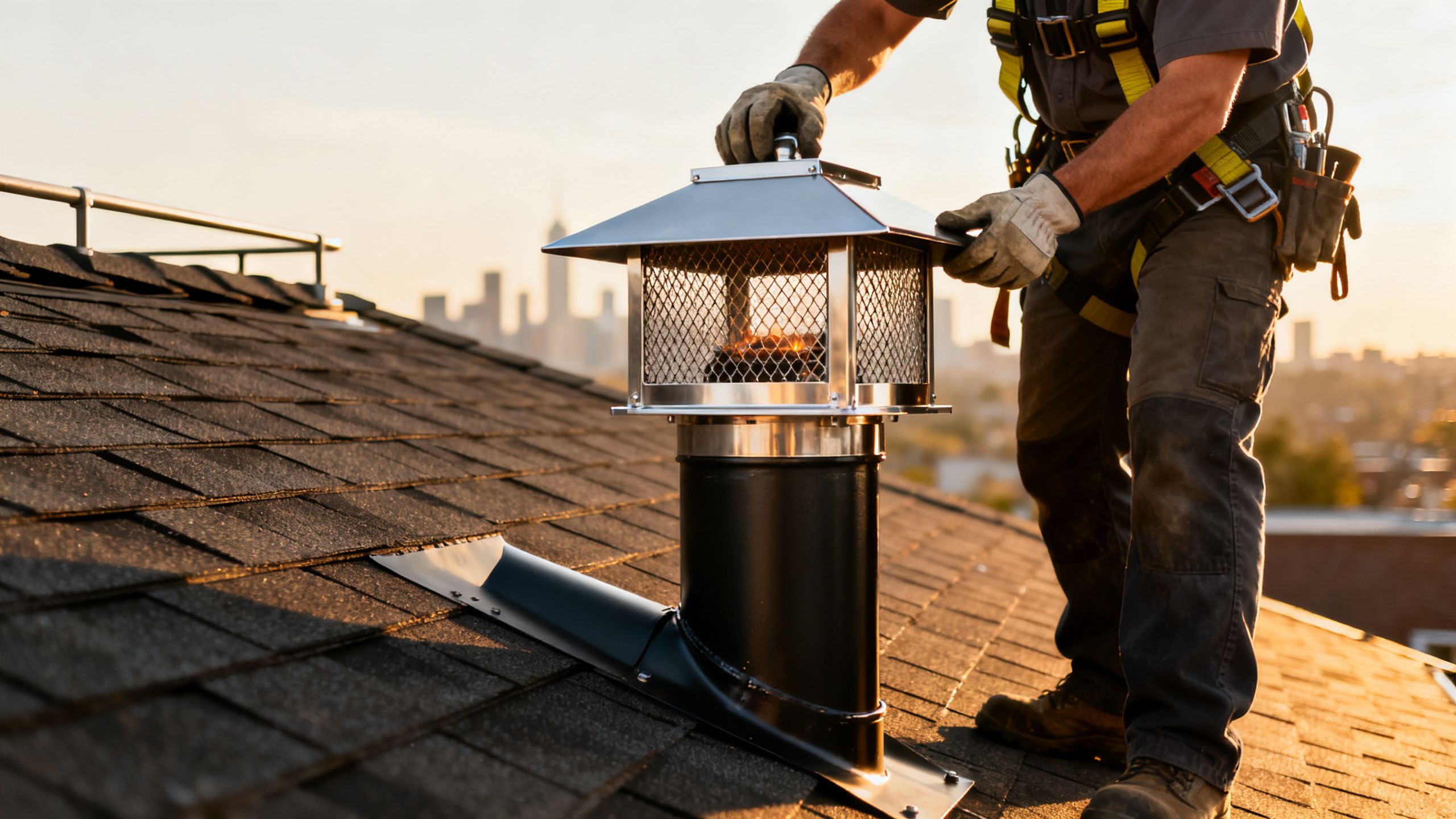
- Installing the Venting Liners: The dual-liner venting system is carefully fed down the length of the chimney from the roof. One liner will bring combustion air down to the insert, and the other will exhaust fumes. A new chimney cap is installed at the top to secure the liners and prevent water or debris from entering.
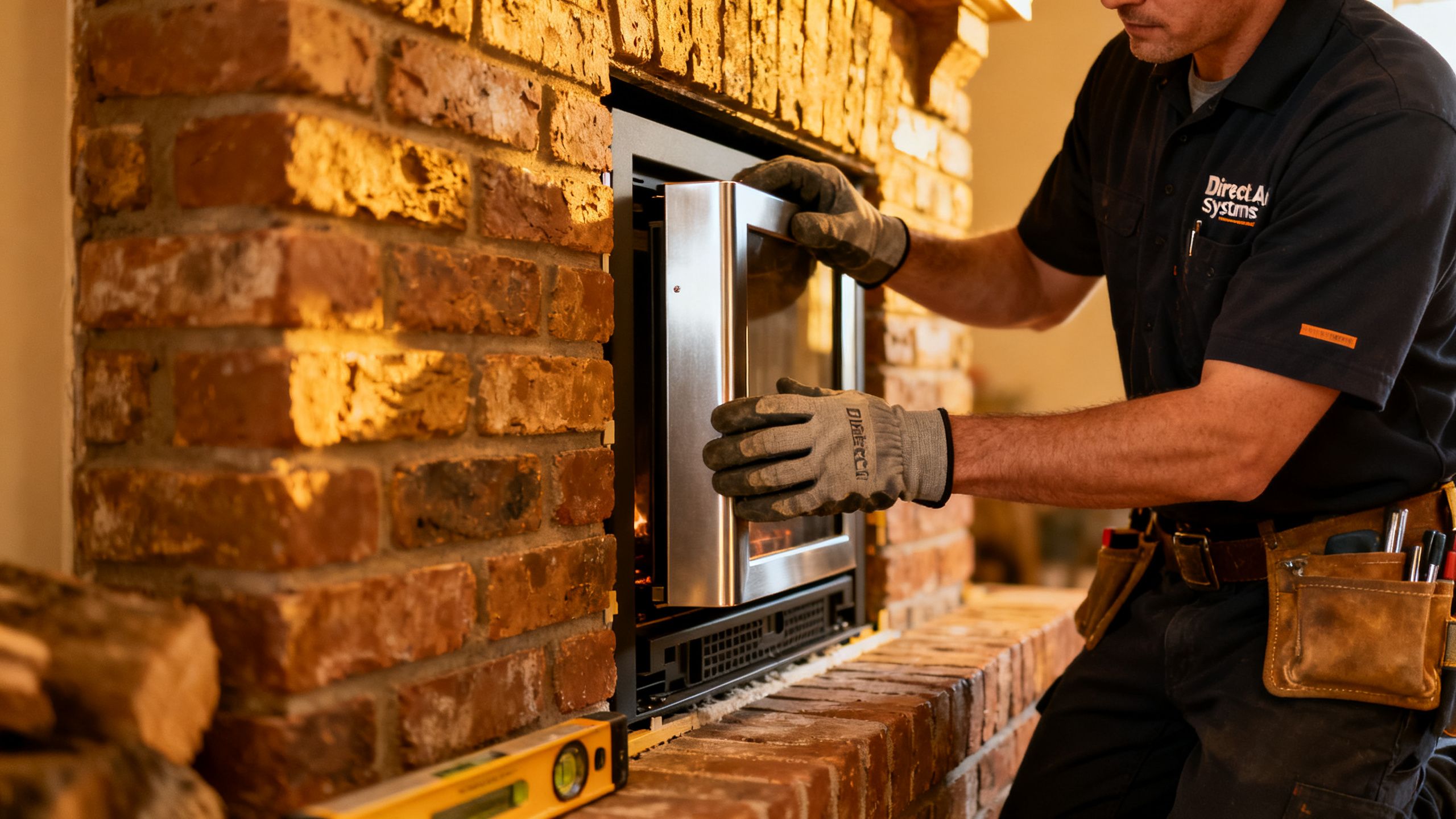
- Setting and Connecting the Insert: The gas insert unit is carefully placed into the firebox. The technician connects the gas line, the electrical wiring, and the venting system to the unit. All connections are meticulously checked for leaks and proper fitting.
- Installing the Surround and Finishing: A decorative surround or backing plate is installed to cover the gap between the insert and the edges of your original fireplace opening. This provides a clean, finished look. The technician will then install the ceramic logs and glass front.
- Final Testing and Commissioning: The final step is to turn on the gas supply, start the fireplace, and test all its functions. The technician will check for proper ignition, flame appearance, and fan operation. They will also walk you through how to use your new remote control and explain any maintenance requirements.
Frequently Asked Questions
Can I install a gas fireplace insert myself?
No. In Ontario, any work involving a gas line must be performed by a TSSA-certified and licensed gas technician. This is a legal requirement for safety and to ensure the appliance operates correctly. DIY installation is dangerous and will void the manufacturer’s warranty.
How much does it cost to run a gas fireplace insert?
Operating cost depends on your local natural gas rate and the insert’s BTU rating. On average, running a 25,000 BTU insert costs between $0.30 and $0.60 per hour. Using it for zone heating can lower your overall furnace usage, often resulting in net savings on your monthly energy bill.
Do gas inserts increase home value?
Yes, a modern, efficient gas fireplace insert is an attractive feature for potential buyers in the GTA. It enhances the home’s appeal by providing a convenient, low-maintenance heat source and an aesthetic focal point, which can contribute to a higher resale value.
What maintenance does a gas insert require?
Gas inserts require an annual inspection and cleaning by a qualified technician. This service, similar to the checks on an Ontario HVAC maintenance checklist, involves cleaning the glass, inspecting the burner and pilot assembly, checking the venting, and testing all safety controls to ensure reliable performance.
How long do gas fireplace inserts last?
A well-maintained gas insert from a quality manufacturer like Napoleon or Regency can last for 15 to 25 years. The longevity depends on the quality of the unit and the consistency of annual professional maintenance. The electronic components may need replacement sooner, typically within 10-15 years.
Can a gas insert heat a whole house?
While a powerful gas insert can heat a large open-concept area, it is not designed to replace a central furnace for whole-home heating. It is most effective as a supplemental or zone heater, allowing you to keep your main living space warm and comfortable while reducing your overall heating costs.
Final Recommendation
For a Greater Toronto Area homeowner with an existing, inefficient wood-burning fireplace, installing a gas insert in 2026 is one of the most practical and valuable home improvements you can make. It solves the common problems of drafts, poor heat output, and high maintenance associated with wood fires, replacing them with on-demand warmth, high efficiency, and modern convenience.
The upfront cost, while significant, is an investment in long-term energy savings, safety, and lifestyle enhancement. Given the efficiency gains and the ability to use it as a zone heater, a gas insert can help mitigate rising energy costs in Ontario. It transforms an outdated feature into the functional and aesthetic heart of your home.
For those in the GTA, we recommend choosing a model from a trusted brand like Napoleon or Marquis. To make the best choice, seeing the flame patterns and build quality in person is invaluable. We invite you to visit our Markham showroom at 162 Bullock Dr to see our live-burning fireplace displays. The team at Direct Air Systems has over 30 years of experience guiding homeowners through these upgrades and can provide a detailed, no-pressure assessment for your home.
Get a Free Quote
Ready to find the perfect fireplace for your home? Contact us for a free, no-obligation quote.
Call Us Today: (905) 951-8080
Visit our Markham showroom at 162 Bullock Dr to see our fireplaces live before you buy.
About the Author — Jack Shahi, Founder & HVAC and Fireplace Expert, Direct Air Systems Ltd.
Jack Shahi is the founder of Direct Air Systems with over 30 years of experience in HVAC and fireplace installation across the GTA. He holds Lennox Premier Dealer and Lennox Powered by Samsung Dealer certifications and has guided thousands of homeowners through energy-efficient upgrades and government rebate programs. Connect with us on Instagram and Facebook or learn more on our about us page.
Disclaimer: The information presented here is intended as general advice only. For exact pricing tailored to your specific needs, it is essential to seek guidance from a qualified expert.
Produced by: CiCon Marketing in collaboration with Direct Air Systems.