



Last Updated: April 2026
Quick Answer: The total cost to install a new gas fireplace in Ontario in 2026 typically ranges from $5,500 to $12,000. This price includes the fireplace unit, venting components, and professional TSSA-licensed installation. The final cost is influenced by the chosen brand and model, venting complexity, and desired finishing materials.
The cost to install a new gas fireplace in Ontario is between $5,500 and $12,000 for most projects in 2026. This investment improves your home’s comfort and aesthetic, providing a reliable source of warmth. The final price depends on the type of fireplace, the brand, installation complexity, and the materials used for the surrounding finish. This guide provides a detailed breakdown of all costs associated with installing a gas fireplace in the Greater Toronto Area (GTA), helping you budget accurately for your project.
Understanding these elements will allow you to make an informed decision that balances performance, style, and cost. From the initial unit purchase to the final design touches, each choice affects the total investment. We will explore the pricing for different tiers of products, the labour involved, and how factors unique to your home can shape the budget. This information is designed to give you a clear picture of what to expect when adding a gas fireplace to your home in communities from Bolton to Markham.
A Detailed Breakdown of Gas Fireplace Installation Costs
Understanding the final price of a gas fireplace installation requires looking at its individual components. The total cost is more than just the price of the unit itself. It includes specialized labour, essential safety components like venting, and the finishing work that integrates the fireplace into your home’s design. Below is a typical cost breakdown for a new gas fireplace project in the GTA. Note that these are average ranges; a personalized quote is necessary for an exact price.
| Component | Average Cost Range (CAD) | Description |
|---|---|---|
| Fireplace Unit | $2,500 – $8,000+ | The cost of the appliance itself, varying widely by brand, size, style (linear vs. traditional), and features. |
| Venting & Gas Line | $1,000 – $2,500 | Includes the cost of direct vent pipes, termination cap, and running a new gas line or extending an existing one. |
| Labour & Installation | $1,500 – $3,000 | Covers the work of a TSSA-certified gas technician for safe and compliant installation, including framing and setup. |
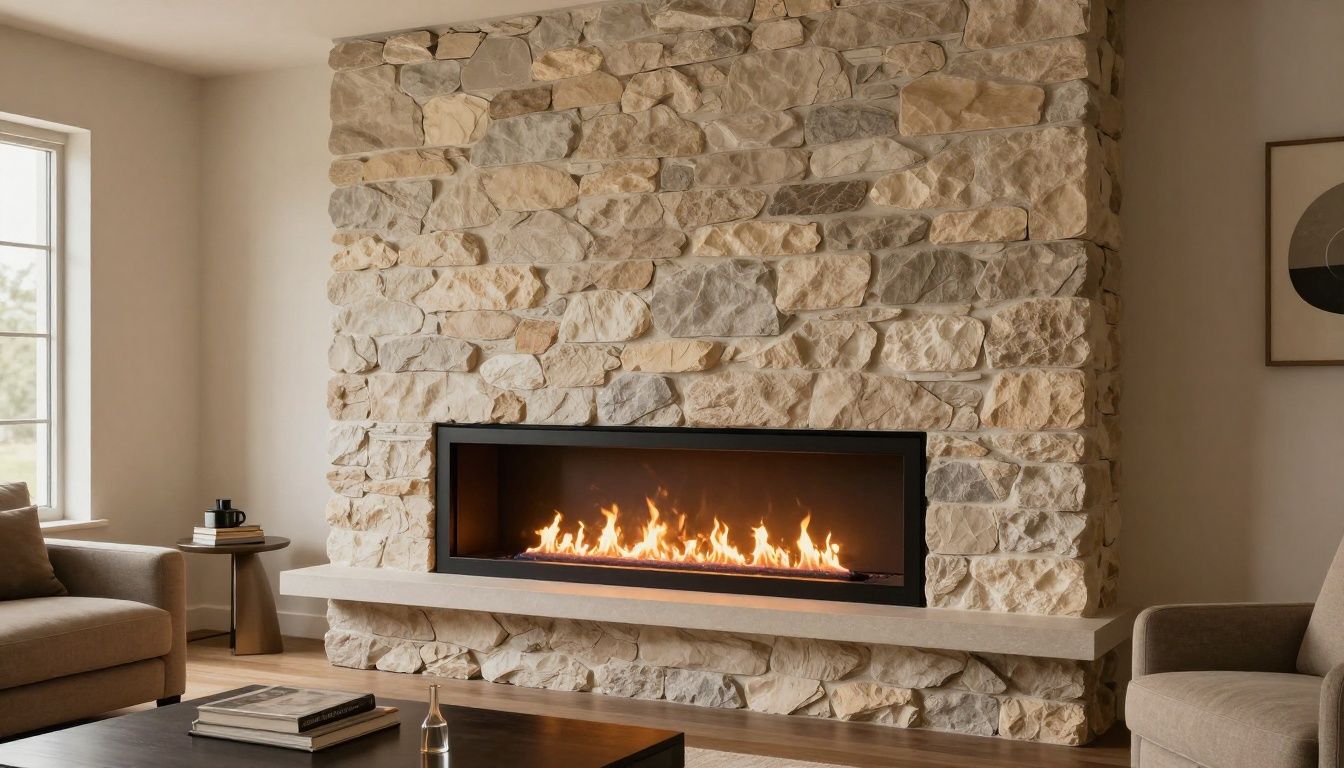
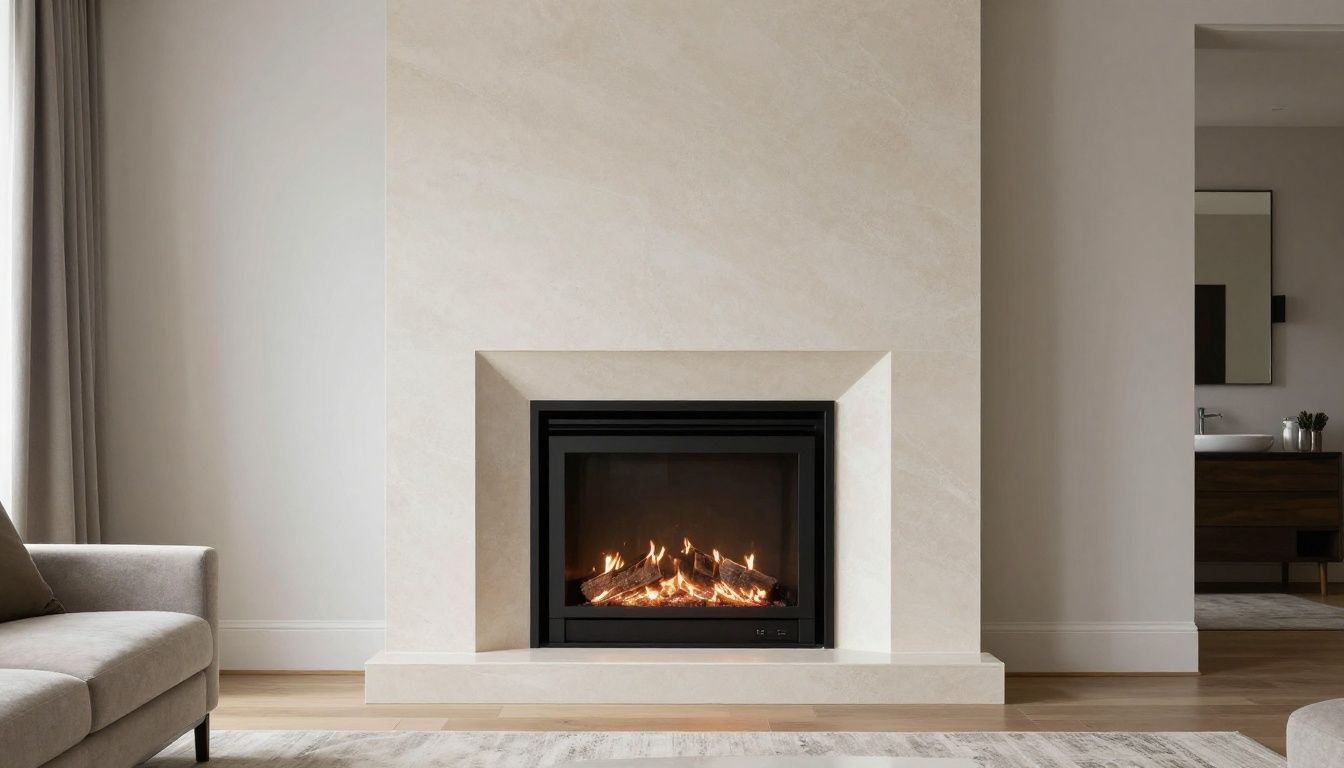
| Finishing Materials | $500 – $4,000+ | The cost for drywall, stone/tile surround, a mantel, and paint. This is highly variable based on your design choices. |
| Permits & Inspection | $200 – $500 | The fee for municipal permits and subsequent inspection to ensure the installation meets local building codes. |
Each of these categories has variables. For example, the fireplace unit cost can escalate significantly for high-end, custom models from brands like Ortal or DaVinci. Similarly, venting costs increase if the pipe run is long or complex, requiring it to navigate multiple floors or structural elements. Labour costs can also fluctuate based on the amount of framing and preparation required at the installation site. It is important to discuss these details during an in-home assessment to get a precise and comprehensive quote for your specific project.

Key Factors That Influence Your Final Price
The $5,500 to $12,000 range for gas fireplace installation is broad because many factors contribute to the final price. Your choices regarding the type of unit, the brand, and its efficiency rating will have the most significant impact. Additionally, the specific characteristics of your home in the GTA, York Region, or surrounding areas will play a role in determining the complexity and cost of the installation.
Fireplace Type: Insert, Zero-Clearance, or Freestanding
The type of gas fireplace you choose is a primary cost driver. A gas insert, designed to fit inside an existing masonry fireplace, is often a cost-effective option as it uses an existing structure. In contrast, a zero-clearance (ZC) fireplace is a pre-fabricated box that can be installed within a new framed wall, offering great design flexibility but requiring more construction. A freestanding gas stove offers a more traditional look and can be simpler to vent, but may not fit every home’s aesthetic. For those weighing different fuel types, it is also useful to compare the benefits of a gas unit to an electric fireplace insert.
Venting Style: Direct Vent, B-Vent, or Vent-Free
Direct vent fireplaces are the most popular and recommended type in Canada. They use a sealed glass front and a coaxial pipe system that draws combustion air from outside and expels exhaust directly outdoors. This makes them highly efficient and safe, as they do not affect your home’s indoor air quality. B-vent (or natural vent) fireplaces use ambient air from the room for combustion and vent vertically through the roof, making them less efficient. Vent-free units are generally not recommended or permitted in many parts of Canada, including bedrooms and bathrooms, due to air quality and moisture concerns.
Brand and Model Tier
Fireplace manufacturers offer products at various price points. Brands like Regency and Napoleon are well-regarded for providing a wide range of reliable and efficient models that offer excellent value for many homeowners. You can explore various Regency fireplace models to see different styles and features. Higher-end brands such as Marquis, Ortal, and DaVinci specialize in custom sizes, linear designs, and advanced features, which come with a premium price tag. The model you choose within a brand will also affect cost, based on its BTU output, remote control features, and burner design.
Efficiency and Performance
A fireplace’s efficiency is measured by its AFUE (Annual Fuel Utilization Efficiency) or, more commonly for fireplaces, its Fireplace Efficiency (FE) rating. Models with higher efficiency ratings, including those that are ENERGY STAR certified, may cost more upfront but can lead to lower monthly gas bills. The BTU (British Thermal Unit) output is another key specification. A fireplace with a higher BTU output can heat a larger space but will consume more fuel and typically has a higher purchase price. A professional can help you calculate the appropriate BTU range for your room to ensure you are not over- or under-spending.
The Gas Fireplace Installation Process Step-by-Step
A professional gas fireplace installation is a multi-step process that ensures safety, compliance, and performance. Working with an experienced company with certified technicians is essential for protecting your home and family. From the initial consultation to the final walkthrough, each step is critical for a successful outcome. Here is what you can expect when you decide to install a new gas fireplace in your home.
Step 1: Consultation and Design Selection
The process begins with choosing the right model. We highly recommend visiting a showroom to see live-burning displays. At our Markham showroom, you can compare flame patterns, heat output, and the overall presence of different units before making a decision. During an in-home consultation, a specialist will assess your space, discuss your heating needs and design goals, and determine the best location and venting options for your home.
Step 2: Preparing the Site
Once a model is selected, the installation team will prepare the area. For a zero-clearance fireplace, this involves framing a new wall or enclosure to house the unit. For a gas insert, it involves cleaning and preparing the existing chimney and firebox. This stage also includes planning the route for the gas line and the venting system, ensuring all clearances to combustible materials are strictly followed according to the manufacturer’s specifications and local building codes.
Step 3: Installing the Unit, Venting, and Gas Line
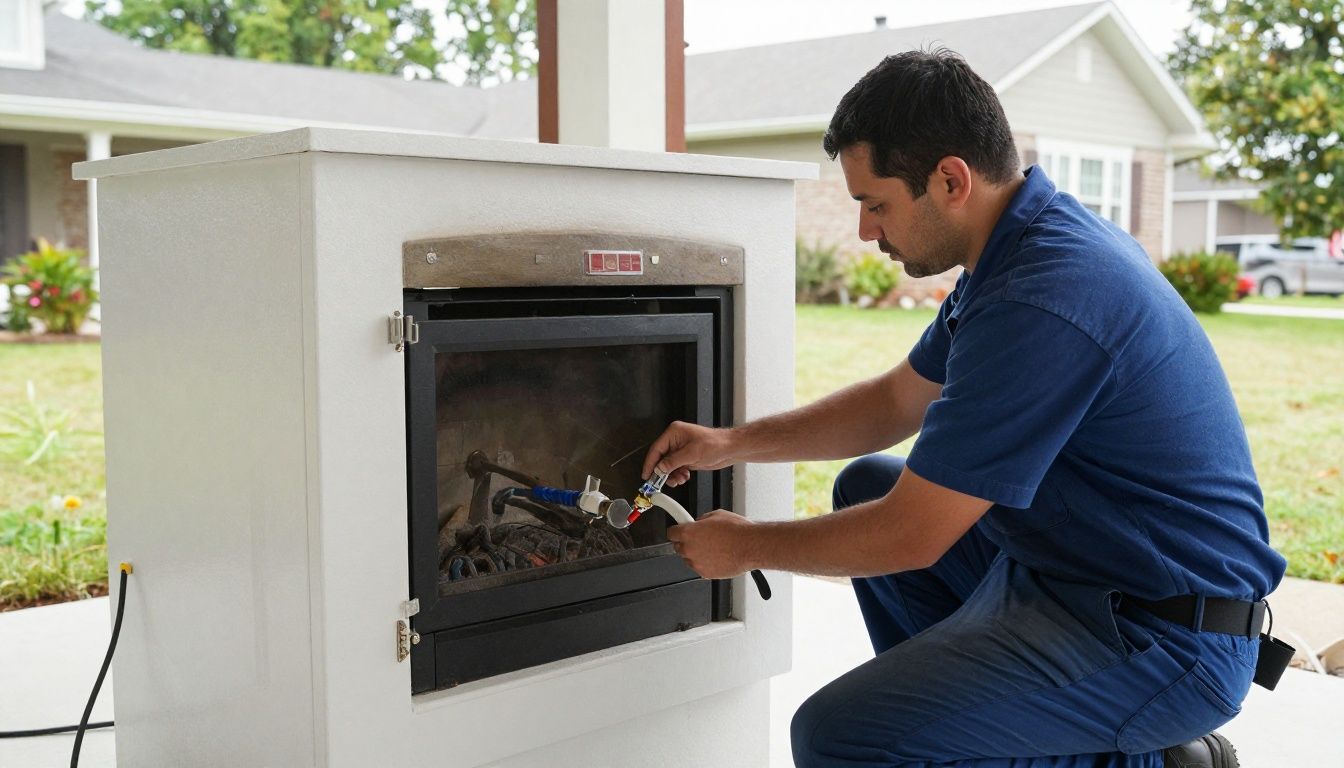
This is the core of the technical work. A TSSA-licensed gas technician will set the fireplace unit in place. They will then install the direct vent system, running the pipe from the fireplace to an exterior wall or through the roof and securing the termination cap. The technician will also run the dedicated gas line to the unit, make the connection, and test the entire system for leaks to ensure it is perfectly sealed and safe.
Step 4: Finishing and Inspection
After the technical installation is complete, the finishing work begins. This can include installing drywall, adding a stone or tile surround, and fitting a mantelpiece. Once the construction is finished and the area is clean, a municipal inspector will visit to verify that the installation complies with all local codes. This final inspection is a crucial step that confirms the safety and legality of your new appliance.
Step 5: Final Walkthrough and Operation
The final step is a walkthrough with your installation expert. They will show you how to operate your new fireplace, including using the remote control, adjusting the flame height and fan speed, and understanding its safety features. This is your opportunity to ask any remaining questions and ensure you are comfortable with your new home feature. For more home comfort tips and guides, you can explore our company’s blog.
Navigating Rebates and Manufacturer Promotions
While large-scale government rebates for gas fireplaces have become less common as focus shifts to technologies like heat pumps, opportunities for savings still exist. Homeowners should always investigate current federal, provincial, and municipal programs, as these can change. Manufacturer promotions also provide a direct way to reduce the upfront cost of a new fireplace. Being informed about these programs can help make your investment more affordable.
Historically, programs like the Canada Greener Homes Grant provided funds for comprehensive home energy retrofits. While this program has evolved, it highlights the importance of checking for new initiatives. Authoritative sources like Natural Resources Canada and the ENERGY STAR Canada website are the best places to find up-to-date information on any available rebates for energy-efficient home upgrades. Your utility provider may also offer local incentives.
Furthermore, leading manufacturers like Lennox, Napoleon, and Regency often run seasonal promotions. These can include direct rebates or other incentives on qualifying high-efficiency models. These offers are typically time-sensitive and may be available in the spring or fall, just outside the peak heating season. The team at Direct Air Systems stays current on all active manufacturer rebates and government programs. During your consultation, we can advise you on any available savings for which your planned installation might qualify, ensuring you receive the best possible value.
Frequently Asked Questions
How much does it cost to run a gas fireplace per hour in Ontario?
The cost to run a gas fireplace depends on its BTU rating and the current price of natural gas. An average 30,000 BTU fireplace running for an hour will cost approximately $0.30 to $0.50, making it an affordable way to provide supplemental heat.
Do I need a permit to install a gas fireplace in Ontario?
Yes, a building permit and a gas permit are required for installing a new gas fireplace or insert in Ontario. This ensures the installation is performed to code by a licensed technician and is inspected for safety. Your installer should manage the permit process for you.
Can a gas fireplace increase my home’s value?
Yes, a well-installed, attractive gas fireplace is a desirable feature that can increase a home’s resale value. A National Association of Realtors study found that fireplaces can add significant value, often providing a strong return on investment.
How long does a gas fireplace installation take?
A standard gas fireplace installation typically takes one to three days. The timeline depends on the complexity, such as whether a new gas line is needed and the extent of the framing and finishing work required around the unit.
Is a direct vent or vent-free gas fireplace better?
A direct vent fireplace is almost always the better and safer choice for Canadian homes. It uses outside air for combustion and vents all exhaust outdoors, protecting your indoor air quality and operating with high efficiency. Vent-free systems are not permitted in many applications and can introduce excess moisture and pollutants into your home.
What are the main differences between a gas insert and a new gas fireplace?
A gas insert is designed to be installed within an existing wood-burning fireplace, using the chimney for venting. A new or “zero-clearance” gas fireplace is a complete unit that is framed into a wall, offering more flexibility in terms of placement and design.
Final Recommendation
For most homeowners in the GTA, a direct-vent gas fireplace from a reputable manufacturer like Regency offers the best combination of safety, efficiency, and long-term value. These units provide consistent heat, operate safely without affecting indoor air quality, and come in a variety of styles to suit most homes. While high-end custom fireplaces have their place, a quality mid-range model provides the comfort and ambiance most families seek at a more accessible price point.
The most important decision, however, is choosing a qualified and experienced installer. A proper installation by a TSSA-certified technician is not just a matter of compliance; it is a matter of safety and performance. An expert from Direct Air Systems can provide an accurate in-home assessment, ensuring your chosen fireplace is sized and vented correctly for your space. We encourage you to visit our Markham showroom to experience these fireplaces in person, which is the best way to appreciate the difference in flame, heat, and build quality before you buy.
Get a Free Quote
Ready to enhance your home with the warmth and comfort of a new gas fireplace? Contact Direct Air Systems for a no-obligation, in-home assessment and a detailed quote.
Call Us Today: (905) 951-8080
Visit our Markham showroom at 162 Bullock Dr to see our fireplaces live before you buy.
Disclaimer: The information presented here is intended as general advice only. For exact pricing tailored to your specific needs, it is essential to seek guidance from a qualified expert.
About the Author — Jack Shahi, Founder & HVAC and Fireplace Expert, Direct Air Systems Ltd.
Jack Shahi is the founder of Direct Air Systems with over 30 years of experience in HVAC and fireplace installation across the GTA. He holds Lennox Premier Dealer and Lennox Powered by Samsung Dealer certifications and has guided thousands of homeowners through energy-efficient upgrades and government rebate programs. Connect with us on Instagram and Facebook, or learn more about our story at directairsystems.ca/about-us/.
Produced by: CiCon Marketing in collaboration with Direct Air Systems.